

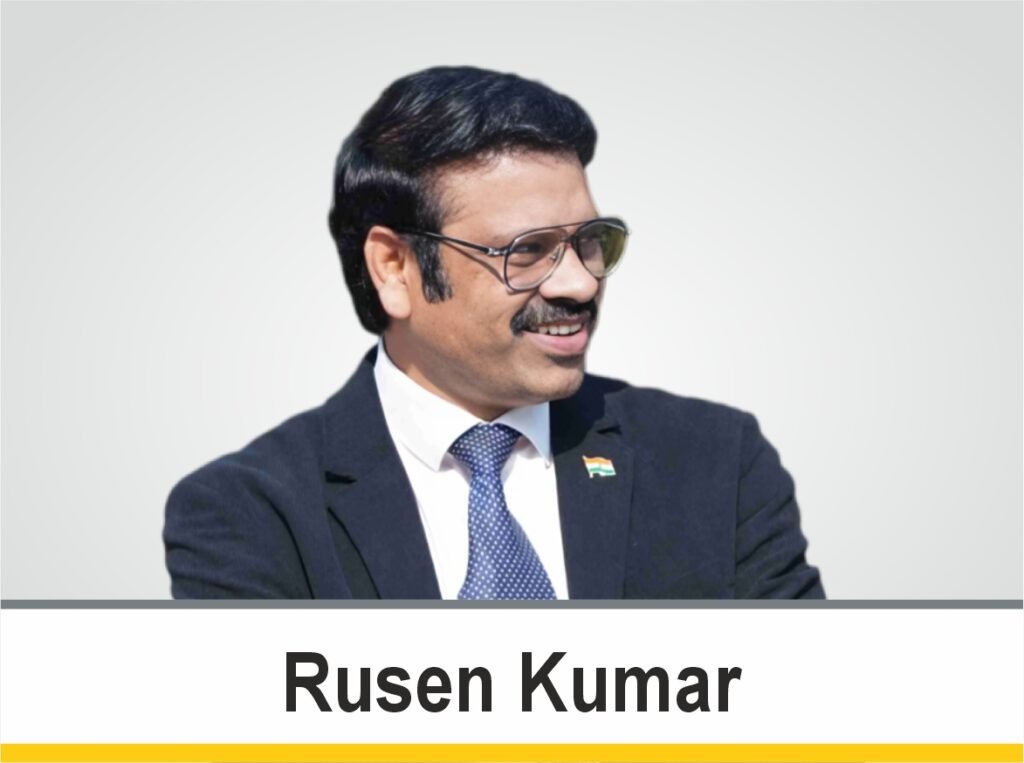
By Rusen Kumar
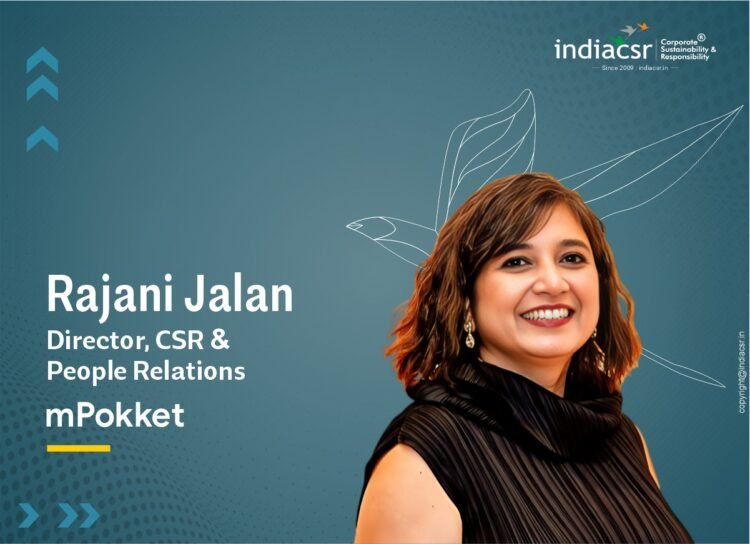
NEW DELHI (India CSR): In this exclusive interview, Rusen Kumar, Managing Editor, India CSR, speaks with Rajani Jalan, Director – CSR & People Relations, mPokket, about the company’s decade-long CSR journey in West Bengal. She explains how mPokket measures long-term impact by tracking sustained improvements in education, healthcare access, livelihood generation, and rehabilitation, while also valuing qualitative changes such as dignity, confidence, and financial independence among beneficiaries.
The discussion highlights key initiatives including Roti on Wheels, which has delivered over one lakh meals to cancer patients and caregivers, Adhigam Bhoomi supporting more than 1,000 girls with holistic education, and partnerships with the Institute of Neuroscience reaching over 3.22 lakh beneficiaries. Programs like Vihaan and Dakshini Prayash further emphasize gender equity and livelihood development. Rajani also outlines future priorities such as climate resilience, mental healthcare, and the ambitious ‘100 Schools Project,’ reinforcing mPokket’s commitment to long-term, community-led, and system-driven social impact.
1. How has mPokket measured the long-term ripple effects of its CSR initiatives for beneficiaries in West Bengal?
At mPokket, we measure long-term ripple effects by looking beyond immediate outputs and tracking sustained changes in people’s lives and communities. Quantitatively, we monitor multi-year indicators – such as education continuity and leadership growth through Adhigam Bhoomi, restored mobility outcomes with Mahavir Seva Sadan, patient access improvements through our support to Institute of Neuroscience, Kolkata, and long-term rehabilitation and employment outcomes through Vihaan and Dakshini Prayash.
Equally important are qualitative markers – increased confidence, financial independence, reintegration into society, and stronger community ownership. We gather these insights through regular field visits, partner reporting, beneficiary feedback, and longitudinal tracking. Over time, the true ripple effect is visible when beneficiaries become mentors, local leaders, or economically independent contributors, demonstrating that impact has moved from intervention to transformation.
2. Over a decade serving West Bengal, which key initiatives from your CSR efforts highlight the biggest community wins?
Serving West Bengal is personal for us, it’s where we come from. Over the last ten years, we shifted from giving immediate aid to creating lasting systems. The true successes are the stories of change:
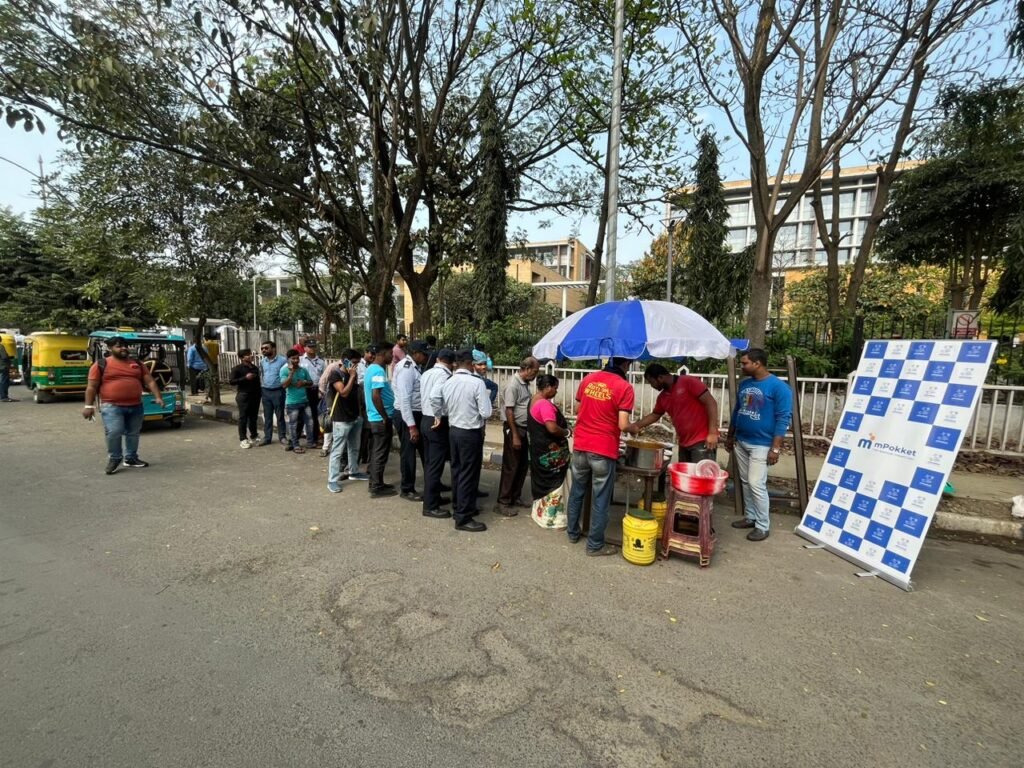
Our longest-standing project, Roti on Wheels, has delivered over one lakh nutritious meals to date to cancer patients and their families, providing a vital symbol of solidarity and dignity.
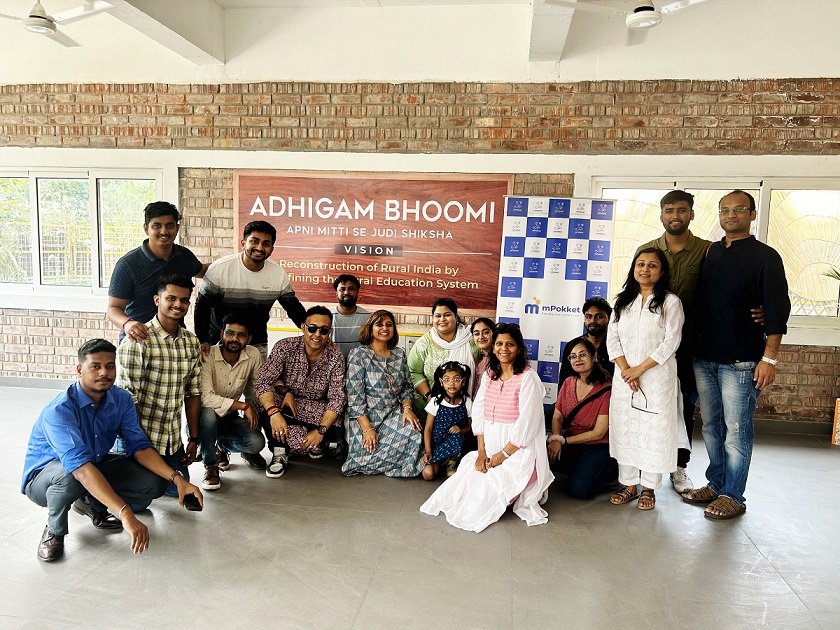
Through Adhigam Bhoomi, we support over 1,000 girls with holistic education and leadership training. We nurture them to become change-makers in their communities.
Programs like Vihaan and Dakshini Prayash give trafficking survivors and marginalized women vocational skills and financial knowledge, helping them rebuild their lives independently.
Our partnership with the Institute of Neuroscience Kolkata has reached over 3.22 lakh people, greatly improving access to specialized neurological healthcare.
We cover operational costs for the Birati Globe Vision Society, ensuring educational continuity for 150 students and supporting over 25 teachers.
In collaboration with Goonj, we distributed 2,210 hygiene kits, promoting confidence and open discussions about menstrual health in rural areas.
3. In this long term association with Roti-on-Wheels, how would you capture the scale of dignity and care delivered?
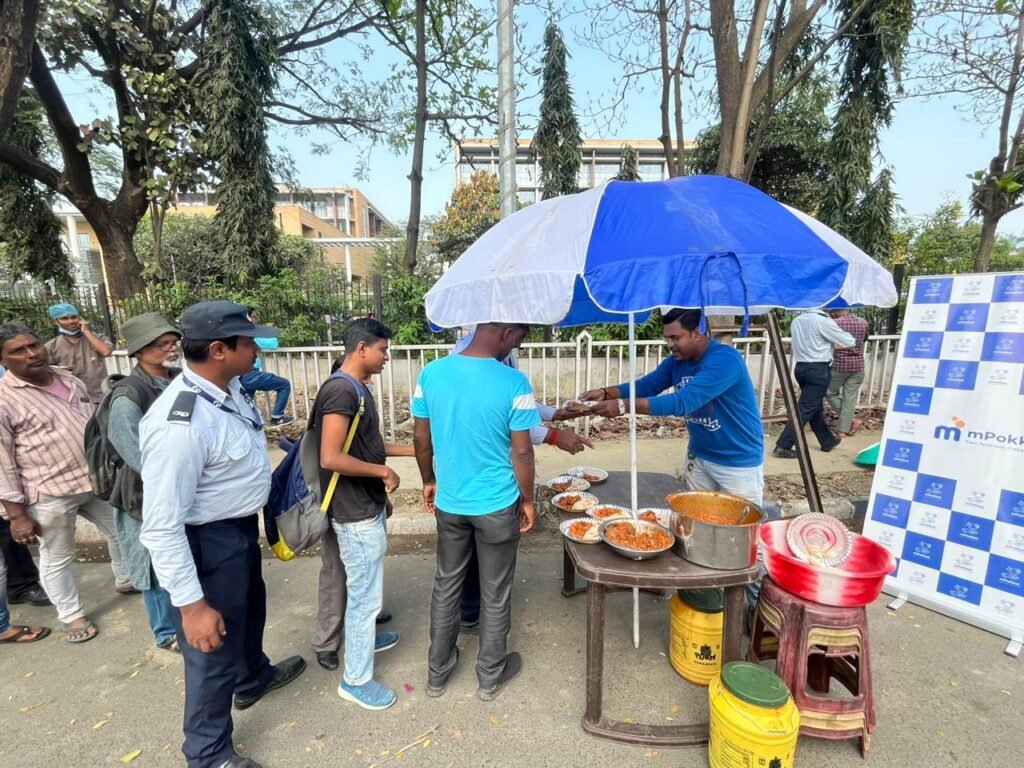
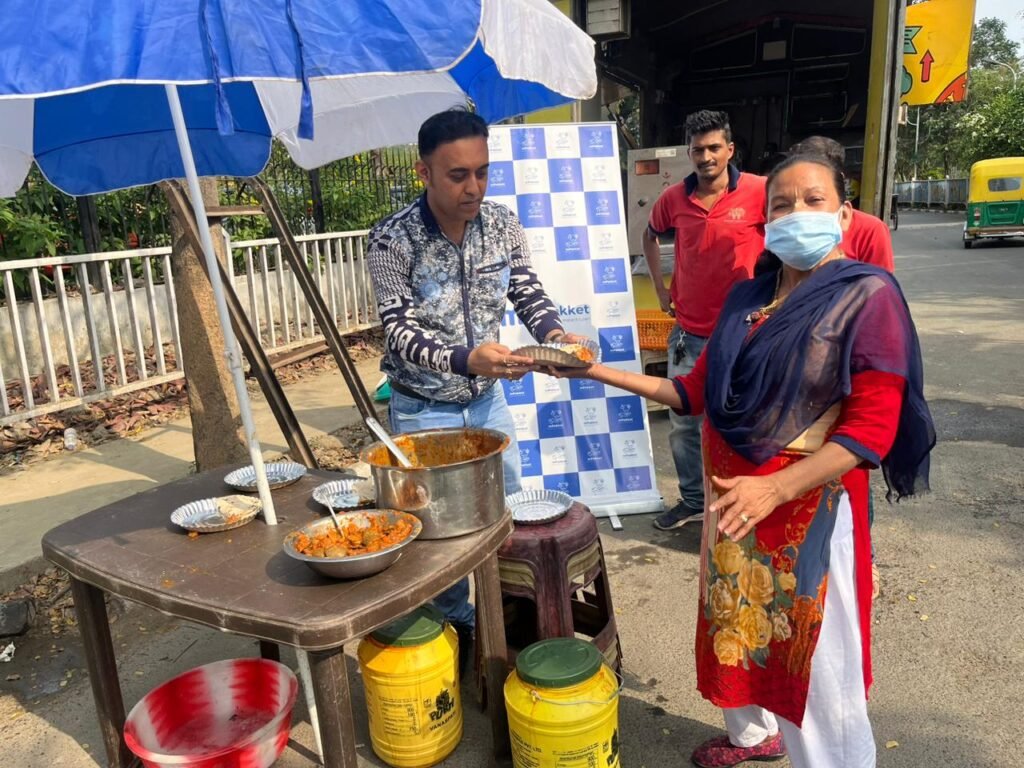
Scale, in this case, is not just numerical, it is emotional and consistent. Through our decade-long association with Roti-on-Wheels, we have enabled the delivery of over one lakh nutritious meals to cancer patients and caregivers near Chittaranjan National Cancer Institute.
But the real scale lies in continuity, five days a week, year after year. Families facing medical uncertainty receive warm meals served with respect and without stigma. That reliability builds trust. When someone undergoing treatment knows that at least one burden is lifted daily, it allows them to focus on healing. A simple meal becomes a symbol of solidarity and dignity.
4. How has the association with the Institute of Neuroscience impacted the healthcare outreach for mPokket?
Our collaboration with the Institute of Neuroscience, Kolkata has significantly strengthened our healthcare outreach in West Bengal. Reaching 3,22,053 beneficiaries, the initiative has helped improve access to neurological and mental healthcare areas that are often under-prioritised yet deeply impactful. Beyond treatment support, we have focused on awareness, early intervention, and reducing the fear and confusion that families often face when navigating complex healthcare systems.
It reflects the core CSR pillar of health equity, delivering sustained impact beyond immediate aid by fostering awareness, early intervention, and systemic improvements in a region tied to the company’s Kolkata roots.
5. What role has gender equity and livelihood development played in your CSR strategy over the past decade?
Gender equity and livelihood development have been central to our CSR strategy over the past decade, not as standalone themes but as levers for long-term, systemic change. We’ve seen that when women gain skills, confidence, and economic agency, the impact extends far beyond the individual to families and entire communities.
Through initiatives like Dakshini Prayash, we focus on vocational training, skill development, and financial literacy to help women move toward sustainable livelihoods and independence. With Vihaan, our work goes deeper into rehabilitation and reintegration for survivors of trafficking, combining livelihood support with psychosocial care and long-term accompaniment. Employment, financial stability, and restored dignity are the outcomes we value most.
Over the years, this has reinforced a clear learning for us: gender equity is not just about access, but about creating enabling ecosystems where women can rebuild, lead, and sustain their progress. Livelihood development, when paired with dignity and support, becomes a powerful pathway to lasting empowerment.
6. Which areas do you think need more CSR interventions?
West Bengal has made progress, but evolving vulnerabilities require deeper and more focused CSR engagement. Climate resilience, particularly in cyclone-prone regions like the Sundarbans, needs urgent attention. Mental healthcare access remains limited, especially in rural communities. Child protection and anti-trafficking interventions require stronger systemic support.
Given our strengths in financial inclusion, we see potential in integrating agri-tech solutions for small farmers and microfinance-linked skilling programmes to create more resilient local economies. CSR today must anticipate tomorrow’s vulnerabilities, not just respond to today’s needs.
7. How does mPokket ensure that its community initiatives remain long-term and community-led rather than one-time philanthropic efforts?
At mPokket, we design initiatives as long-term partnerships rather than short-term charity. This begins with deep community consultation and working closely with grassroots organisations so programmes are co-created around real needs, not external assumptions. We commit to continuity through sustained funding, active employee engagement, and regular field feedback that allows initiatives to evolve over time, whether it is long-term education through Adhigam Bhoomi, sustained healthcare and dignity through Roti on Wheels, or livelihood and rehabilitation efforts like Dakshini Prayash and Vihaan.
We also embed governance and impact tracking into every initiative, with board-level oversight and a focus on measurable outcomes beyond annual cycles. Most importantly, we encourage community ownership, empowering local partners, mentors, and beneficiaries to shape programme direction, so that initiatives become part of the community ecosystem and continue creating impact long after initial interventions.
8. Do you think engaging employees for CSR driven initiative boosts a sense of social responsibility among them? How do you see this gaining prominence?
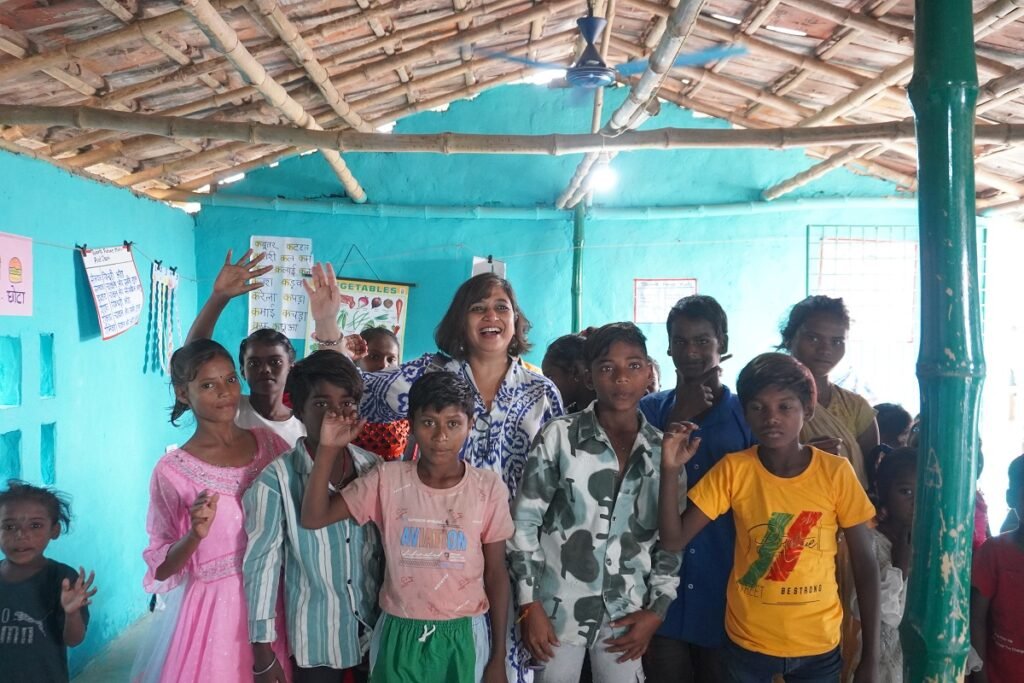
Yes, we have seen that employee engagement in CSR significantly strengthens a sense of shared responsibility and purpose. At mPokket, when employees move beyond financial contributions and actively volunteer, whether through mentoring students, delivering financial literacy sessions, or supporting women entrepreneurs, they develop a deeper connection to the communities we serve. It transforms CSR from an organisational initiative into a collective mission driven by empathy and lived experience.
For example, recently as part of our 10-year milestone, this ground-up approach led to an employee-driven initiative that raised ₹12.2 lakh to support children growing up at brick kiln sites. In partnership with Towards Future, these funds will establish Camp Site Learning Centres for 75 children over 24 months, ensuring continuity of education in highly vulnerable settings.
9. Over these 10 years, if there is one initiative that has made you proud as an individual, what would that be?
If I look back at the last decade, Roti on Wheels holds a special place in my heart. It was our first project, marking the start of our CSR journey. I am most proud of delivering over one lakh meals, and the steady impact we have made from that starting point. Seeing a basic idea grow into a daily support system for cancer patients and their families offers them dignity and reduces their burdens during difficult times. This experience reminds us of our purpose. It showed us early on that even a simple effort, when maintained over years, can lead to significant, life-changing results.
10. Marking a decade from Kolkata roots, what new CSR targets or expansions in healthcare and education does mPokket envision for West Bengal next?
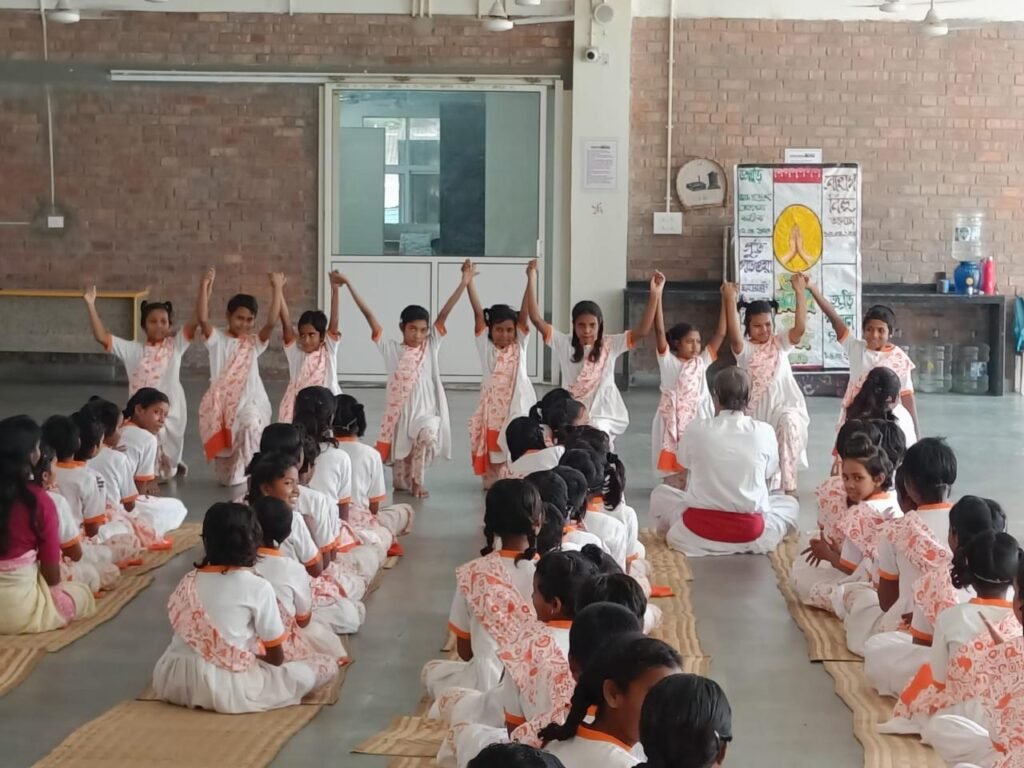
As we look ahead to the next decade, our vision is based on changing the system through the ‘100 Schools Project’ in partnership with Help Us Help Them (HUHT). This initiative greatly expands our commitment to education. It focuses on a model of rural reconstruction that combines quality academic learning with vocational training. By growing this partnership, we intend to turn 100 schools into centers of excellence. These centers will not only provide ongoing education but also encourage independence among students in underserved regions. This project builds on the success of Adhigam Bhoomi. We are moving from helping individual beneficiaries to strengthening entire educational systems.
***
About Rusen Kumar
Rusen Kumar is a distinguished journalist, author, and visionary knowledge entrepreneur specializing in Corporate Social Responsibility (CSR) and sustainability in India. He is the founder and managing editor of India CSR Network, a leading platform dedicated to CSR and sustainability issues.
Copyright@IndiaCSR
Showcase your CSR achievements and share your insights with India’s leading CSR platform.
Contact us at biz@indiacsr.in I 9981099555 to feature your success stories and interviews.