

Vijayawada (Andhra Pradesh)): A national-level workshop on MISHTI (Mangrove Initiative for Shoreline Habitats and Tangible Incomes) was held in Andhra Pradesh on January 8 and 9 to discuss sustainable mangrove conservation, restoration and livelihood opportunities for coastal communities, officials said on Friday.
The workshop was inaugurated by Andhra Pradesh Deputy Chief Minister Pawan Kalyan, who underlined the importance of coordinated action for protecting mangrove ecosystems and strengthening coastal resilience.
In his address, the Deputy Chief Minister thanked Prime Minister Narendra Modi for what he called “visionary leadership” and also acknowledged Union Environment, Forest and Climate Change Minister Bhupender Yadav for supporting states in mangrove conservation through the MISHTI framework, the officials said.
Forest officials from various states, subject experts and key stakeholders attended the deliberations, which focused on practical strategies for mangrove restoration, shoreline protection and community-linked conservation outcomes.
A key presentation was delivered by Anand Mohan, Chief Executive Officer of National CAMPA, outlining the objectives and implementation framework of MISHTI. The initiative envisages development and conservation of mangrove ecosystems with an emphasis on mangrove restoration, biodiversity conservation, shoreline protection and the creation of “tangible incomes” for people dependent on coastal resources, he said.
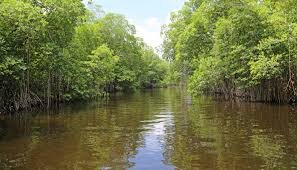
Mohan also highlighted the role of mangroves in climate adaptation and disaster risk reduction, noting that they act as natural barriers against coastal erosion and extreme weather impacts while supporting fisheries and allied livelihoods.
The presentation further noted that MISHTI contributes to the objectives of the Mangrove Alliance for Climate (MAC), with India becoming an active member of the alliance during COP-27 under the UN climate convention, officials said.
Participants discussed the need for stronger inter-state and institutional coordination, mapping of priority restoration areas, adoption of best practices, and monitoring mechanisms to ensure effectiveness and long-term sustainability.
Officials said the workshop served as a platform for knowledge sharing, policy dialogue and identifying scalable models that can strengthen mangrove ecosystems while ensuring community participation and livelihood outcomes under the MISHTI framework.
(India CSR)