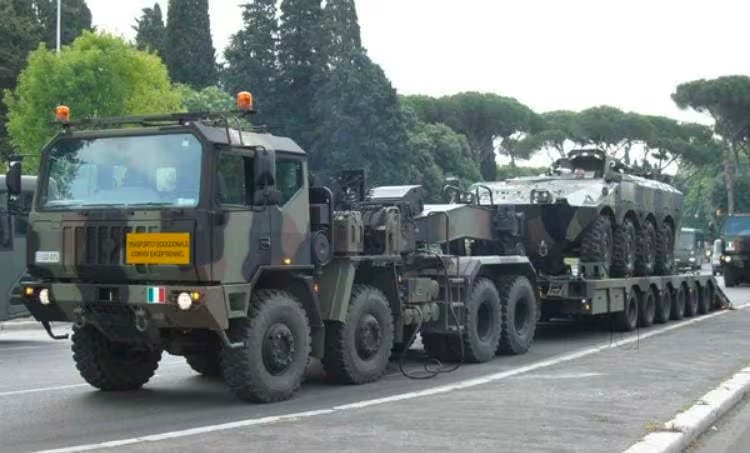


A military auto transport service helps service members and military families move vehicles during PCS orders, deployments, and long-distance relocations without adding unnecessary mileage, long driving days, and extra scheduling pressure. For many households, shipping a vehicle is not just about convenience. It is about making a complicated move easier to manage when timing, family logistics, and travel plans all collide at once.
Military moves are rarely simple. Some happen on tight timelines. Others involve multi-state travel, children, housing changes, work coordination, and more than one vehicle. In those situations, driving a car across the country may not be the highest-value use of time or energy. That is why many families start comparing military car shipping options well before the move reaches its most stressful phase.
This guide explains how a military auto transport service works, when it makes sense, what affects pricing, what to ask before booking, and how to prepare a vehicle for shipment.
What Is a Military Auto Transport Service?
A military auto transport service is a vehicle shipping solution used by service members, veterans, and military families when they need to move a privately owned vehicle from one location to another. Most often, that means shipping a car during a PCS move, a long-distance relocation, or another transition where driving the vehicle personally would be difficult, inefficient, or simply not worth the burden.
The service usually involves scheduling a carrier to pick up the vehicle, transport it along a planned route, and deliver it near or at the destination. Depending on the route, vehicle type, and customer preference, the shipment may be arranged on either an open or enclosed carrier.
In practical terms, military auto transport is often used to reduce stress and simplify planning during moves that already come with enough moving parts.
When Service Members Use a Military Auto Transport Service
There are several situations where vehicle shipping becomes the smarter option.
PCS moves
A Permanent Change of Station is one of the most common reasons families look into military vehicle transport. When the route is long and the timeline is narrow, shipping a car may be easier than planning a multi-day drive.
Deployment-related transitions
If a service member is deploying, returning, or navigating another major change, having one less logistical problem to solve can matter.
Family coordination
When one adult is focused on travel, children, pets, housing, or paperwork, shipping one vehicle can take pressure off the entire move.
Multi-vehicle households
If a family has more than one car, it may make sense to drive one and ship the other rather than coordinate multiple long-distance drivers.
Long-distance relocations
A coast-to-coast drive means more mileage, more fuel, more time, and more wear on the vehicle. In many cases, shipping becomes the more practical decision.
How Military Auto Transport Usually Works
The process is usually straightforward, even if exact timing and pricing vary by route.
StepWhat HappensQuote requestVehicle details, pickup and delivery locations, and timing are submittedBooking reviewTransport type, schedule, and route expectations are discussedSchedulingThe order is placed for carrier assignment and pickup coordinationVehicle preparationThe owner gets the vehicle ready for shipmentPickupThe carrier inspects and loads the vehicleTransitThe vehicle moves on the assigned routeDeliveryThe vehicle is dropped off and inspected again
This is where many buyers make a basic mistake. They expect the process to work like instant delivery. It does not. Auto shipping depends on route demand, seasonality, market conditions, truck availability, and how flexible the shipment is.
How PCS Moves Affect Vehicle Shipping
PCS moves bring urgency, but urgency alone does not create a better shipping outcome. In fact, families often create their own problems by waiting too long and then expecting precision the transport market does not always support.
Here is the reality: better planning usually creates better options.
A PCS move can affect shipping in several ways. Tight date windows may reduce flexibility. Popular relocation periods may increase demand. Certain routes are easier for carriers to service than others. Rural pickup or delivery locations may also require more patience than major metro areas.
That does not mean shipping becomes impossible. It means families should think in terms of pickup windows and route fit, not fantasy-level certainty.
What Affects Military Auto Transport Costs
Anyone shopping for a military auto transport service usually starts with price. Fair enough. But pricing only makes sense when you understand what is behind it.
Distance
Longer routes usually cost more in total, although the cost per mile often decreases on longer shipments.
Vehicle size and weight
Larger vehicles can cost more because they take up more trailer space and add more weight.
Route popularity
Major routes between busy cities are often easier to service than low-density or remote lanes.
Pickup flexibility
A flexible pickup window can help. A tighter deadline may cost more because it is harder to match efficiently.
Seasonality
Transport demand can rise during busy relocation periods, which may affect pricing and timing.
Transport type
Open shipping is usually more affordable. Enclosed shipping generally costs more.
Vehicle condition
If a vehicle is inoperable, that can affect the rate because it requires additional handling.
The mistake weak buyers make is chasing the lowest number without asking whether the quote actually reflects real market conditions. Cheap quotes get attention. They do not always get vehicles moved smoothly.
Open vs Enclosed Military Vehicle Shipping
Most customers using a military auto transport service choose open transport, but that does not mean it is the right choice for every vehicle.
Open transport
Open transport is the standard option for most shipments. Vehicles are loaded onto an open carrier along with other cars and moved on common transport routes.
Best for:
- standard sedans
- SUVs
- trucks
- daily drivers
- customers focused on value
Enclosed transport
Enclosed transport places the vehicle inside a covered trailer, giving it more protection from weather and road exposure.
Best for:
- luxury vehicles
- collector cars
- specialty vehicles
- exotic cars
- owners who want added protection
For most military families shipping a standard personal vehicle, open transport is the practical option. Enclosed shipping usually makes sense only when the vehicle itself justifies the higher cost.
Why Many Families Choose Shipping Instead of Driving
Driving sounds simple until you break down the reality. Fuel, hotels, meals, time off, fatigue, mileage, and family coordination all add up fast. That is before you factor in the stress of arriving on schedule while managing everything else tied to the move.
A military auto transport service can make sense because it may help reduce:
- wear and tear on the vehicle
- long travel days
- multi-stop planning
- fuel and hotel logistics
- family scheduling pressure
- operational friction during relocation
For many households, that is the real value. Not luxury. Not convenience theater. Just a cleaner move.
How Pickup and Delivery Usually Work
One of the most common misconceptions in auto transport is that a truck can always pick up and deliver at the exact address listed. Sometimes it can. Sometimes it cannot.
Large transport trucks may have trouble accessing:
- narrow streets
- apartment complexes
- gated communities
- low tree clearance areas
- tight residential turns
- places with truck restrictions
When that happens, the carrier may arrange pickup or delivery at a nearby open lot, shopping center, or another safe meeting point. That is normal.
Customers who understand this upfront usually avoid unnecessary frustration.
How to Prepare a Vehicle for Shipment
Preparation matters more than people think. Sloppy preparation creates delays, confusion, and disputes that were easy to avoid.
Before pickup, most customers should:
- wash the vehicle
- take photos from multiple angles
- remove personal belongings
- secure or remove loose accessories
- keep about one-quarter tank of fuel
- check for leaks
- make sure the battery is charged
- have one set of keys ready
- confirm contact details before pickup
This is basic discipline. Ignore it, and the move gets harder for no good reason.
What to Compare Before Booking
Most buyers compare the wrong thing first. They compare the number. Start with the process.
Here is what actually matters:
- estimated pickup window
- transport type
- route fit
- communication expectations
- flexibility requirements
- pickup and delivery access
- preparation rules
- what happens if timing shifts
A good quote is not just a low quote. It is a quote that lines up with reality.
Why Some Military Families Consider Navi Auto Transport
When comparing providers, some military families look for companies that handle long-distance moves, common relocation routes, and standard open or enclosed shipping options. In that context, Navi Auto Transport is one option some customers may consider when evaluating a military auto transport service for a PCS move or another major relocation.
Potential reasons buyers may compare Navi Auto Transport include route availability, communication during the process, transport options, and overall shipment visibility. That does not mean one company is automatically right for every situation. It means customers should compare expectations carefully before booking.
Common Mistakes to Avoid
The market punishes lazy thinking. These are the mistakes that cause avoidable problems.
Choosing only by price
A cheap quote that does not reflect actual market conditions can create delays and disappointment.
Waiting too long
Last-minute booking reduces flexibility and shrinks your options.
Expecting exact-day certainty
Transport usually works within windows, not perfect day-by-day guarantees.
Ignoring route difficulty
Not every lane is equally easy for carriers to service.
Failing to prepare the vehicle
Basic mistakes at pickup can slow everything down.
FAQs About Military Auto Transport ServiceWhat is a military auto transport service?
It is a vehicle shipping service used by service members and military families to move a privately owned vehicle during PCS moves, deployments, relocations, and other long-distance transitions.
How long does military auto transport take?
Transit time depends on distance, route demand, pickup location, delivery area, and flexibility. Shorter routes are usually faster than coast-to-coast shipments.
Is open transport safe for most vehicles?
Yes. Open transport is the standard option for most everyday vehicles and is widely used for state-to-state shipping.
Should I choose enclosed transport?
Only if the vehicle needs added protection, such as a luxury, collector, or specialty car.
Can the truck always reach my exact address?
Not always. Large carriers sometimes need a nearby meeting point if the address is difficult to access.
What should I do before pickup?
Clean the vehicle, document its condition with photos, remove personal items, and make sure it is ready for transport.