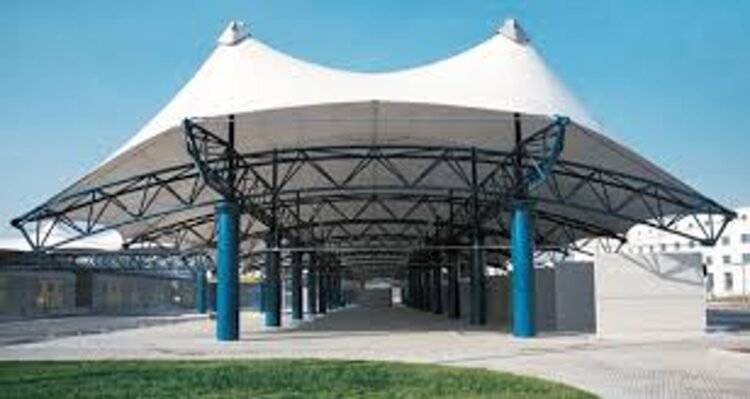


For warehouse managers, logistics coordinators, and industrial facility planners, the challenge of space is perpetual. Seasonal inventory surges, equipment overflow, and the need for dedicated workshop areas often exceed the capacity of permanent buildings. Constructing new traditional warehousing is capital-intensive and slow. Large-scale, fabric-covered storage shelters offer an alternative that balances speed, cost, and durability. This article examines the technical and operational considerations of deploying a modern straight-wall fabric shelter, providing objective insights for professionals evaluating non-permanent infrastructure solutions.
Introduction and Operational Importance
A primary function of an industrial shelter is to provide immediate, weather-protected volumetric space. Unlike temporary carports or light-duty tarp structures, engineered fabric buildings are designed for years of continuous service. The 30′ x 70′ Straight Wall Peak Ceiling Storage Shelter exemplifies this category. It offers approximately 2,100 square feet of clear-span interior space, sufficient for parking a fleet of utility vehicles, storing bulk materials, or establishing a satellite maintenance bay. Its strategic importance lies in its ability to decouple facility capacity from the multi-year timelines and high budgets of conventional construction, allowing operations to scale space in alignment with demand.
Technology and Application Overview
These structures integrate a galvanized steel frame with a heavy-duty PVC fabric cover. The straight-wall side profile, standing at approximately 7.6 feet, is a significant design feature. It maximizes usable square footage at the edges compared to curved-wall shelters, allowing for more efficient pallet racking or equipment lining. Key industrial applications include:
- Warehouse Overflow: Storing seasonal inventory, packaging materials, or slow-moving stock.
- Equipment Dealerships: Protecting high-value inventory like tractors, RVs, and construction machinery.
- Maintenance Workshops: Creating a dedicated, well-lit bay for vehicle and equipment repairs.
- Bulk Material Storage: Keeping aggregates, lumber, or recyclables dry and compliant with stormwater regulations.
Efficiency, Safety, and Productivity Impact
Efficiency is realized through rapid deployment. A shelter of this scale can be installed on a prepared concrete pad in days, not months. Safety is enhanced by the 17-ounce, triple-layer ripstop PVC cover, which is inherently flame retardant and resistant to chemical corrosion, protecting both the assets within and the surrounding environment. Productivity gains arise from eliminating weather delays; outdoor tasks can move under cover, and stored equipment is ready for immediate use without cold-weather start issues or snow removal from cabs and controls.
Technical Foundations and Capacity Considerations
Structural Integrity and Materials
The performance of the 30′ x 70′ Straight Wall Peak Ceiling Storage Shelter is defined by its engineering specifications. The frame utilizes 2.3-inch, 14-gauge steel tubes for the trusses, with 1.65-inch, 18-gauge purlins arranged in nine rows across the roof. This truss spacing and purlin density provide exceptional rigidity, preventing fabric flutter and reducing stress on the cover. The PVC fabric, rated at 450 GSM with a 20×20 weave, offers high tear strength and UV resistance. The peak ceiling height of 15.7 feet and 13-foot by 13-foot end-wall openings accommodate large forklifts and machinery with ample clearance.
Site and Foundation Requirements
A critical technical consideration is the foundation. This structure requires a level, solid base—typically a 31′ x 72′ concrete slab or equivalent compacted asphalt. The shelter is secured via footplates with pre-drilled holes; anchor bolts are field-supplied and must be specified for local wind loads. Installation without a proper engineered foundation is a primary cause of performance failure and safety risk.
Factors Affecting Performance and Longevity
Long-term effectiveness depends on several factors:
- Installation Quality: Adherence to torque specifications for frame connections and proper fabric tensioning.
- Environmental Exposure: Sites in high-wind regions or with heavy snow loads require engineering review; while robust, these structures are not typically rated for extreme alpine snow loads without specific reinforcement.
- Maintenance Regimen: Annual inspections of anchor points, frame corrosion (especially near coastal areas), and fabric integrity. The PVC cover should be cleaned periodically to prevent UV degradation from accumulated dirt.
Safety Considerations and Best Practices
Safe utilization of a large fabric shelter involves:
- Fire Safety: Maintain clear interior aisles to egress points. Do not store oxy-acetylene tanks or conduct hot work inside the shelter without proper ventilation and fire watch protocols.
- Wind Event Procedures: In forecasted extreme wind events, ensure end-wall doors are securely fastened. Some operators choose to remove end panels in known hurricane events to allow wind to pass through, preventing catastrophic pressure buildup.
- Load Management: Do not hang excessive weight from the roof purlins. These are designed to support the fabric cover, not heavy overhead storage.
Related Equipment and Accessories
A complete shelter system can be enhanced with:
- Anchoring Systems: Concrete wedge anchors for permanent installation, or ground screw anchors for temporary/permeable surfaces.
- Ventilation: Passive roof vents or active turbine ventilators to reduce heat buildup and condensation.
- Lighting: LED high-bay lights suspended from the frame to enable nighttime operations.
- Partition Walls: Internal fabric dividers to create separate workshop and storage zones.
Advantages and Limitations
A balanced perspective is essential for procurement decisions:
- Advantages:
- Cost: Approximately 80% less per square foot than pre-engineered steel buildings.
- Speed: Procured and installed within weeks, not years.
- Flexibility: Can be disassembled and relocated to a new site.
- Natural Light: White PVC cover transmits soft, diffused daylight, reducing electrical consumption.
- Limitations:
- Lifespan: Fabric cover life is typically 15-20 years, after which replacement is required.
- Insulation: Minimal thermal insulation; not suitable for temperature-critical processes without HVAC, which is difficult to seal.
- Security: Fabric is slash-resistant but can be cut with a knife, presenting a theft risk for high-value goods.
Real-World Application Case Study
A heavy equipment dealership in the Midwest faced a backlog of used machinery due to strong sales and trade-ins. Their paved lot was at capacity, and new inventory was arriving daily. They deployed a 30′ x 70′ straight-wall shelter on the edge of their property. Within two weeks of pad pour, they had 2,100 square feet of covered, secure space to display high-end tractors, protecting the electronics and interiors from sun and bird droppings. This allowed them to continue accepting trades through the peak season without renting off-site storage. The straight walls were critical, allowing them to park larger machines flush to the sides and maximize density.
Conclusion and Industry Trends
Large-scale fabric storage shelters have evolved from temporary covers to permanent infrastructure assets. For industrial and logistics operations facing space volatility, they offer a compelling blend of affordability, speed, and engineered reliability. Key professional takeaways: prioritize proper foundation engineering, verify local building code requirements, and consider the total lifecycle cost including eventual cover replacement. Future trends point toward integration of IoT sensors for structural health monitoring, wider adoption of recyclable PVC-free fabrics, and hybrid designs that allow for future rigid cladding additions. As supply chain resilience remains a board-level priority, the ability to rapidly scale physical capacity will keep fabric structures central to facility strategy.