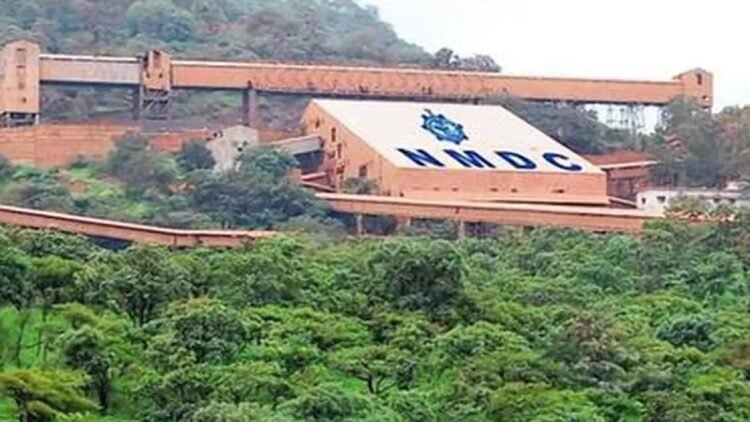


BENGALURU (India CSR): In a significant development for India’s mining sector, Karnataka’s state legislature has passed a bill that could impose a hefty tax burden on the National Mineral Development Corporation (NMDC). The Karnataka (Mineral Rights and Mineral Bearing Land) Tax Bill, 2024, proposes a retrospective tax on mineral rights, potentially costing NMDC ₹13,975 crore. As the bill awaits Presidential assent, its implications are stirring debate in the mining industry and beyond.
Background of the Karnataka Tax Bill
The Karnataka (Mineral Rights and Mineral Bearing Land) Tax Bill, 2024, was introduced following a landmark Supreme Court ruling in 2024, which affirmed states’ rights to levy taxes on mineral-bearing lands, effective retroactively from April 1, 2005. The bill aims to capitalize on this ruling by imposing taxes on mineral rights and lands used for mining activities. For NMDC, India’s largest iron ore producer, this could translate into a substantial financial obligation, estimated at ₹13,975 crore, as disclosed in the company’s latest annual report.
The bill’s retrospective nature has sparked controversy, with critics arguing it could disrupt the financial planning of mining companies. NMDC has classified this amount as a contingent liability, citing uncertainties surrounding the bill’s final enactment. The Karnataka Governor has raised concerns about the bill’s legality, referring it to the President of India for approval, which adds further complexity to its implementation.
Financial Implications for NMDC
If the bill is enacted in its current form, NMDC faces a significant financial challenge. The proposed tax regime would increase the total levies on iron ore production in Karnataka to approximately ₹2,707 per tonne, up from ₹1,822 per tonne, according to industry analysts. This represents a jump from 52% to 78% of the Indian Bureau of Mines (IBM) price for iron ore. Given that Karnataka accounts for roughly 30% of NMDC’s total production, the additional tax burden could reduce the company’s EBITDA by an estimated ₹250-300 per tonne.
To mitigate this impact, NMDC plans to pass on the additional costs to its customers, leveraging clauses in its long-term agreements and auction notices. These contracts allow the company to recover new statutory duties, levies, or taxes from buyers. However, the enforceability of these provisions remains uncertain, and NMDC has indicated it will pursue legal avenues to ensure compliance if the bill becomes law.
Industry and Legal Challenges
The retrospective aspect of the tax has drawn scrutiny, with NMDC challenging its alignment with central mining regulations. The company argues that the bill’s provisions could conflict with existing frameworks, potentially leading to legal disputes. Industry experts warn that such a tax could erode profit margins for mining companies operating in Karnataka, particularly for NMDC, which relies heavily on the state for its iron ore output.
Analysts from Motilal Oswal Financial Services have highlighted the broader implications, noting that the increased levies could set a precedent for other mineral-rich states to impose similar taxes. This could reshape the cost structure of India’s mining industry, affecting both domestic and export markets.
Next Steps and Industry Outlook
As the bill awaits Presidential assent, its fate remains uncertain. The Karnataka government has defended the legislation, emphasizing the need to boost state revenue and regulate mining activities more effectively. However, the Governor’s reservations and ongoing stakeholder consultations suggest that amendments could still be made before the bill is finalized.
For now, NMDC is preparing for all possible outcomes, including potential negotiations with customers and legal action to protect its interests. The outcome of this legislation could have far-reaching effects on India’s mining sector, influencing investment decisions and operational strategies for years to come.
(India CSR)