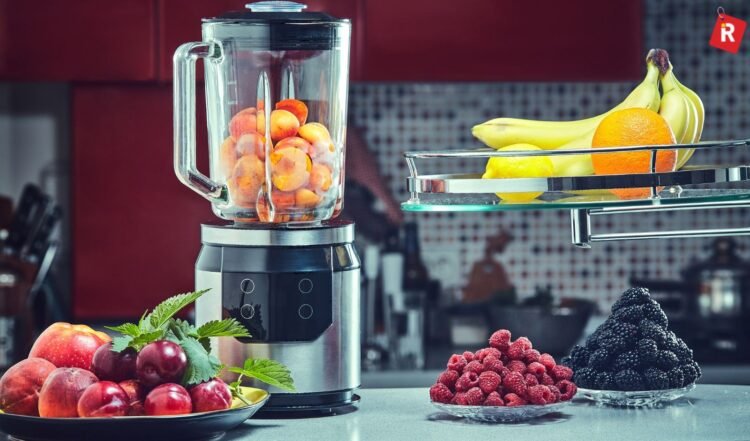


If there’s one thing Indian cooking refuses to compromise on, it’s texture. The texture of your chutney. The texture of your masala. The texture of your batter, your paste, your gravy. Basically, everything that goes into a kadhai or a cooker is texture-conscious. And that’s exactly why a new kind of kitchen appliance is quietly taking over Indian homes: a mixer grinder with texture control.
It is not a regular mixer. Not a “three-speed” mixer. But a mixer grinder that actually understands what you want your food to feel like.
Let’s break down why this matters, why it can transform your cooking experience. Here’s why Indian kitchens are now looking for it knowingly or unknowingly.
Why Texture Matters More Than We Admit
In India, texture is not a subtle detail. It’s flavour’s best friend.
Think about it:
- Coconut chutney that’s too smooth? Ruins the dosa.
- Garam masala ground too fine? Turns bitter when added to hot oil.
- Coriander chutney blended too aggressively? Loses colour and freshness.
- Podi, that’s not coarse enough? Doesn’t stick to the idlis.
- Ginger-garlic paste that becomes watery? Goodbye aroma.
So, it is more than blending ingredients because we need to craft textures that define the dish. And that’s something most traditional mixers never respected. They ran at one speed: turbo. And everything became a paste.
Texture Control: The Feature You Didn’t Know You Needed
Texture control changes that. It allows the mixer to operate at precise speeds rather than just “low-medium-high”. Controlled RPM delivers different textures:
- Coarse for a hand-ground feel
- Medium for everyday masalas
- Fine for smooth blends
- Pulse modes for instant power
- Low RPM modes for silbatta-like consistency
Why is this a big deal? Because certain ingredients release flavour only when they’re crushed, not liquefied.
Certain masalas stay fragrant only when ground at a specific speed. Certain chutneys taste right only when they retain body. In short: texture = authenticity.
If you’ve been listening to the Celebrity Chef Ranveer Brar, you know exactly what we mean!
Low-Speed Grinding Has Its Perks
Traditional hand grinding on a silbatta or ammi kallu was slow. And that slow grinding is what released the full aroma of spices.
Texture-control mixers mimic that low-speed action.
They grind:
- red chillies without turning them into a red puddle
- coriander without producing chutney-soup
- garlic without becoming watery
- dals without overheating
And guess what? This low-speed grinding isn’t just for nostalgia. It’s for taste, consistency, and longevity.
Slow grinding = less heat.
Less heat = more flavour retained.
More flavour = better food.
Simple maths.
Why Indian Kitchens Need This Now More Than Ever
Cooking has changed. We need appliances that match today’s pace without killing traditional flavours. Here’s why a mixer grinder with texture control fits perfectly into modern kitchens:
1. Because We’re Grinding More Than Ever
Smoothies in the morning. Masalas in the afternoon. Chutneys for snacks. Batter for dinner…
We need one appliance that adapts to all textures, from silky to coarse.
2. Because Traditional Recipes Need Precision
Modern mixers often compress everything into the “paste” zone. But Indian recipes depend on differences. As discussed above:
- Rasam podi ≠ Sambar podi
- Garam masala ≠ Curry masala
- Chutney ≠ Chutney powder
Texture-control mixers help maintain those nuances.
3. Because We Want Taste Without the Elbow Pain
Grinding masala on a stone by hand? Beautiful. Doing it daily at 7 AM? Absolutely not. A texture-control mixer brings the same experience minus the bicep workout.
4. Because Not Everything Needs High-Speed Battle
Some ingredients need gentle grinding. Others need aggressive crushing. And some, like turmeric sticks, need both: a slow break, then a fast finish.
A good texture-control mixer switches effortlessly between these.
5. Because Overheating Ruins Everything
High-speed motors often heat up ingredients:
- oils in spices turn rancid
- flavours evaporate
- colour dulls
- texture becomes uneven
Low-RPM modes prevent this. They protect taste and aroma.
6. Because Kitchen Space Is Shrinking
Modern texture-control mixers often come in compact designs. You get power plus precision without needing a separate spice grinder, slow grinder, chopper, or food processor. One appliance replaces many.
Chopping? Yes, That’s Part of Texture Control
A good texture-control mixer doesn’t just blend and grind. It also chops. Not blends-chop-turns-into-mush. Actual chopping.
This is extremely useful for:
- onions
- tomatoes
- garlic
- nuts
- salad veggies
- fruits
Chopping at low speeds ensures the ingredients stay… well, chopped, not blended. This makes weekday cooking so much easier.
Texture Control = Consistency Control
Let’s talk about consistency. We all have that one chutney recipe that never tastes the same twice. Why? Because the mixer controls the output, not you.
Texture-control mixers flip that: You control the texture; the machine simply obeys.
This leads to:
- predictable flavours
- repeatable results
- reliable cooking
- no more “this chutney was better yesterday” situations
And suddenly, every dish becomes dependable.
How? RPM is the answer.
This is why everyone is now asking about RPM.
Earlier, nobody cared about RPM. Now everyone is asking:
- “Is this good for coarse grinding?”
- “Will my masala heat up too much?”
- “Can it grind slow?”
- “Does it chop properly?”
And RPM control is what defines whether a mixer is:
- a masala master
- a chutney genius
- a smoothie machine
- or all of the above
The best texture-control mixers run somewhere around:
- ~2000 RPM for chopping
- ~5000 RPM for coarse grinding
- ~18,000 RPM for fine, heavy-duty grinding
This range is what makes them versatile.
What to Look for When Buying a Mixer Grinder With Texture Control
If you are planning to bring one home, check for the following aspects:
- Multiple RPM modes: Not just “3 speed buttons.” Proper slow-to-high ranges.
- A dedicated low-speed coarse mode: This is the magic button for silbatta-like output.
- A powerful, efficient motor: Preferably one that doesn’t heat ingredients.
- Chopper functionality: This transforms everyday cooking and saves your hands from knife cuts.
- Good jar and blade quality: Especially for chutneys, spices, and batters.
- Safety features: Jar detection, overload protection, fault indication, no auto-restart.
- Compact, smart design: Saves space and works better.
Conclusion
In the past, our grandparents controlled texture manually and our parents controlled it through experience. We? We need appliances that do it for us because we’re multitasking 24/7. So, texture-control mixer grinders are not “premium features.” They are a must as they protect tradition as they enhance convenience, give a better taste, reduce effort & finally add consistency.
And they make cooking feel a little more magical! And finally, we have appliances in the market that understand that, so why not bring them home?