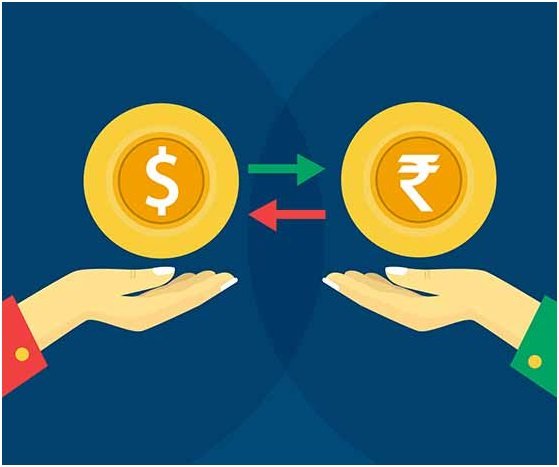


Foreign currency exchange rates influence everything from international trade and travel costs to overseas education and global investments. Whether you are planning a holiday abroad or managing foreign income, understanding how exchange rates are determined helps you make informed financial decisions.
While exchange rates may appear unpredictable, they are shaped by well-defined economic forces. This article explains the key factors that determine foreign currency exchange rates and how individuals can navigate currency movements effectively.
What Is Foreign Currency Exchange?
Foreign currency exchange refers to the process of converting one currency into another at a specified rate. This rate, known as the exchange rate, determines how much of one currency you receive in exchange for another.
Exchange rates fluctuate constantly during trading hours due to changes in supply and demand of currencies across global markets.
Types of Exchange Rate Systems
Before understanding how rates are determined, it is important to know the systems under which currencies operate.
Floating Exchange Rate
Most major global currencies follow a floating exchange rate system. In this system, currency values are determined by market forces without direct government control.
Managed Float
Some countries follow a managed float system where the central bank intervenes occasionally to stabilise the currency.
India follows a managed float regime, where market forces determine rates, with intervention only to manage volatility.
Key Factors That Determine Exchange Rates
1. Demand and Supply of Currency
The most fundamental factor affecting exchange rates is demand and supply. When demand for a currency increases, its value rises. When demand falls, the currency weakens.
Demand can increase due to exports, foreign investments, or tourism inflows. Supply rises when imports, overseas investments, or foreign debt repayments increase.
2. Interest Rates
Interest rates set by central banks significantly influence foreign currency exchange movements. Higher interest rates attract foreign investors seeking better returns, increasing demand for the currency.
Lower interest rates reduce investor interest, which can weaken the currency over time.
3. Inflation Levels
Countries with lower inflation generally experience stronger currencies. Low inflation preserves purchasing power, making the currency more attractive to investors and traders.
High inflation erodes currency value and often leads to depreciation.
4. Economic Performance
Strong economic indicators such as GDP growth, industrial output and employment data support currency strength. A stable and growing economy attracts foreign capital. Weak economic performance reduces investor confidence and lowers currency demand.
5. Trade Balance
A country with higher exports than imports usually sees stronger currency demand. Exporters receive foreign currency, which they convert into domestic currency, increasing demand.
A trade deficit increases the supply of domestic currency in global markets, which can weaken exchange rates.
6. Political and Economic Stability
Political stability plays a major role in currency valuation. Stable governments and predictable policies attract long-term investment.
Political uncertainty, policy inconsistency, or geopolitical tensions often lead to currency volatility and depreciation.
7. Market Speculation
Currency markets are also influenced by speculation. Traders anticipate future economic events and adjust positions accordingly.
Expectations of interest rate changes, economic reforms, or global developments can move exchange rates even before actual changes occur.
Role of Central Banks
Central banks influence exchange rates through monetary policy and market interventions. While they do not control rates directly in a floating system, they can influence liquidity and interest rates.
In extreme cases, central banks may buy or sell foreign currency reserves to stabilise excessive volatility.
How Exchange Rates Affect Everyday Individuals
Exchange rate movements impact individuals in several ways:
- Cost of overseas travel
- Tuition fees for foreign education
- Value of foreign income and remittances
- Pricing of imported goods
Understanding foreign currency exchange dynamics helps individuals time currency conversion more efficiently.
Exchange Rates and Forex Cards
For frequent international travellers, exchange rate movements directly affect spending abroad. A Forex card helps manage this exposure by allowing users to load foreign currency at prevailing rates.
Forex Cards allow users to lock in exchange rates at the time of loading, reducing uncertainty caused by daily market fluctuations.
This makes budgeting easier and provides clarity on overseas spending.
Timing Matters in Currency Exchange
Since exchange rates fluctuate continuously, timing plays an important role. Converting currency during favourable market conditions can lead to better value.
Monitoring trends rather than reacting to daily fluctuations often results in better outcomes.
Digital Platforms and Currency Management
Modern digital banking platforms provide real-time access to exchange rate information, transaction history and currency conversion tools.
For example, leading banks in India, like ICICI Bank, offer digital solutions that allow users to monitor exchange rates and manage Forex card balances securely through online platforms.
Common Myths About Exchange Rates
- Exchange rates are not random
- They are not fixed permanently
- Short term fluctuations do not always reflect long term trends
Clearing these misconceptions helps individuals make rational currency decisions.
Managing Currency Risk Effectively
Individuals can manage currency risk by:
- Planning currency conversion in advance
- Using Forex cards for overseas spending
- Avoiding last minute currency exchanges
- Tracking major economic announcements
These steps help reduce exposure to unfavourable exchange movements.
Future Outlook for Exchange Rates
As global trade, digital transactions and capital flows increase, currency markets are likely to remain dynamic. While volatility may persist, core economic fundamentals will continue to drive long term exchange rate trends.
Staying informed remains the most effective strategy.
Conclusion
Foreign currency exchange rates are determined by a combination of market demand, economic performance, interest rates, inflation and global sentiment. While short term movements may seem unpredictable, underlying factors follow logical economic patterns.
Understanding how exchange rates work allows individuals to make informed decisions when travelling, investing, or managing overseas expenses. A Forex card can further help manage currency exposure and provide greater financial clarity in an increasingly globalised world.