• India CSR Awards 2025
  • India CSR Leadership Summit
  • Guest Posts
Friday, January 16, 2026
India CSR
  • Home
  • Corporate Social Responsibility
    • Art & Culture
    • CSR Leaders
    • Child Rights
    • Culture
    • Education
    • Gender Equality
    • Around the World
    • Skill Development
    • Safety
    • Covid-19
    • Safe Food For All
  • Sustainability
    • Sustainability Dialogues
    • Sustainability Knowledge Series
    • Plastics
    • Sustainable Development Goals
    • ESG
    • Circular Economy
    • BRSR
  • Corporate Governance
    • Diversity & Inclusion
  • Interviews
  • SDGs
    • No Poverty
    • Zero Hunger
    • Good Health & Well-Being
    • Quality Education
    • Gender Equality
    • Clean Water & Sanitation – SDG 6
    • Affordable & Clean Energy
    • Decent Work & Economic Growth
    • Industry, Innovation & Infrastructure
    • Reduced Inequalities
    • Sustainable Cities & Communities
    • Responsible Consumption & Production
    • Climate Action
    • Life Below Water
    • Life on Land
    • Peace, Justice & Strong Institutions
    • Partnerships for the Goals
  • Articles
  • Events
  • हिंदी
  • More
    • Business
    • Finance
    • Environment
    • Economy
    • Health
    • Around the World
    • Social Sector Leaders
    • Social Entrepreneurship
    • Trending News
      • Important Days
        • Festivals
      • Great People
      • Product Review
      • International
      • Sports
      • Entertainment
    • Case Studies
    • Philanthropy
    • Biography
    • Technology
    • Lifestyle
    • Sports
    • Gaming
    • Knowledge
    • Home Improvement
    • Words Power
    • Chief Ministers
No Result
View All Result
  • Home
  • Corporate Social Responsibility
    • Art & Culture
    • CSR Leaders
    • Child Rights
    • Culture
    • Education
    • Gender Equality
    • Around the World
    • Skill Development
    • Safety
    • Covid-19
    • Safe Food For All
  • Sustainability
    • Sustainability Dialogues
    • Sustainability Knowledge Series
    • Plastics
    • Sustainable Development Goals
    • ESG
    • Circular Economy
    • BRSR
  • Corporate Governance
    • Diversity & Inclusion
  • Interviews
  • SDGs
    • No Poverty
    • Zero Hunger
    • Good Health & Well-Being
    • Quality Education
    • Gender Equality
    • Clean Water & Sanitation – SDG 6
    • Affordable & Clean Energy
    • Decent Work & Economic Growth
    • Industry, Innovation & Infrastructure
    • Reduced Inequalities
    • Sustainable Cities & Communities
    • Responsible Consumption & Production
    • Climate Action
    • Life Below Water
    • Life on Land
    • Peace, Justice & Strong Institutions
    • Partnerships for the Goals
  • Articles
  • Events
  • हिंदी
  • More
    • Business
    • Finance
    • Environment
    • Economy
    • Health
    • Around the World
    • Social Sector Leaders
    • Social Entrepreneurship
    • Trending News
      • Important Days
        • Festivals
      • Great People
      • Product Review
      • International
      • Sports
      • Entertainment
    • Case Studies
    • Philanthropy
    • Biography
    • Technology
    • Lifestyle
    • Sports
    • Gaming
    • Knowledge
    • Home Improvement
    • Words Power
    • Chief Ministers
No Result
View All Result
India CSR
No Result
View All Result
Home SDGs Affordable & Clean Energy

How Grid Standards Shape the Sustainability Impact of Renewable Installations

India CSR by India CSR
November 26, 2025
in Affordable & Clean Energy
Reading Time: 7 mins read
India’s Rs 31 Lakh Crore Investment Fuels Net-Zero Transition
Share Share Share Share
WhatsApp icon
WhatsApp — Join Us
Instant updates & community
Google News icon
Google News — Follow Us
Get our articles in Google News feed

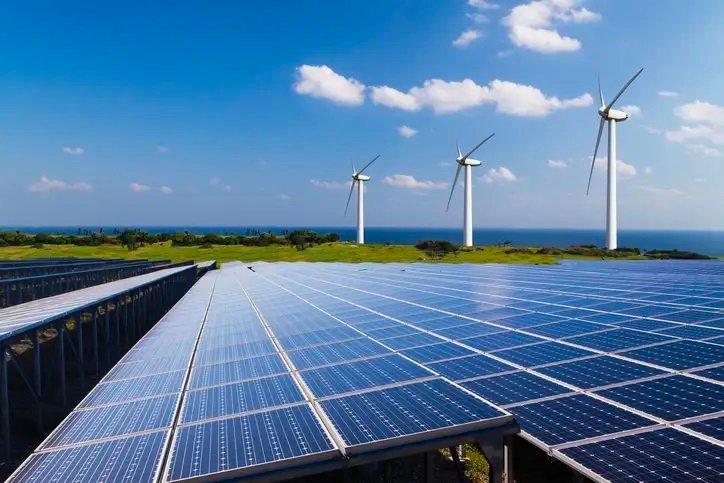
Grid standards play a critical role in determining how effectively renewable energy installations integrate into existing power systems. These standards influence not only the reliability and safety of energy distribution but also the overall sustainability and efficiency of green infrastructure.

As renewable adoption accelerates, understanding the impact of grid requirements becomes essential for maximizing environmental and economic benefits.

Grind Standards in Europe

Grid standards, especially in Europe through the G98, G99, and G100 codes, play a critical role in determining the safety, reliability, and long-term sustainability of renewable energy systems. These regulations ensure that distributed generation assets work in harmony with grid infrastructure, maintaining stability while supporting broader decarbonization goals.

For companies aligning their Corporate Social Responsibility (CSR) with clean energy, understanding and adhering to such grid standards is a crucial part of building resilient and responsible energy systems.

The Growing Importance of Grid Compliance in CSR

When businesses invest in renewable energy projects as part of their CSR or ESG strategies, their goals often include reducing carbon emissions, promoting environmental stewardship, and ensuring long-term cost savings.

However, without compliance to grid codes, these installations may fail to deliver their promised sustainability benefits or worse, compromise the safety of the wider energy network.

Grid compliance ensures that energy systems are:

  • Safe to operate
  • Technically compatible with the existing infrastructure
  • Capable of contributing to grid stability
  • Aligned with future smart grid and decentralization goals

Failure to meet these requirements could lead to system downtime, project delays, reputational damage, or regulatory penalties.

Understanding Grid Code Requirements: G98, G99, and G100

In the UK and EU, the connection of energy generators to the electricity distribution network is governed by standards including G98, G99, and G100. These codes define how renewable energy systems must perform under various conditions to ensure grid integrity.

  • G98: Covers micro-generators (up to 16A per phase) and is applicable to smaller residential or small business installations.

  • G99: Applies to larger generators above 16A and includes more complex requirements for frequency response, fault ride-through, and reactive power capabilities.

  • G100: Governs export limitation schemes, enabling systems to stay within permitted grid export levels without triggering costly reinforcements.

How Grid Standards Amplify the Sustainability Impact

1. Ensuring Grid Stability and Security

One of the major challenges with integrating renewable energy is its intermittent nature. Solar and wind outputs fluctuate based on weather conditions.

Grid standards require that generators provide real-time data and have the capacity to disconnect or reduce output to maintain system balance during demand surges or faults.

This enhances overall grid reliability and prevents blackouts.

2. Enabling Distributed Generation at Scale

Without a regulatory framework like G99 or G100, distributed renewable systems could overwhelm the grid with unregulated inputs.

Standards ensure that energy contributions are predictable and manageable, enabling more systems to be connected safely across regions.

3. Supporting Long-Term Grid Modernization

Compliance with these standards supports broader smart grid goals, such as automation, two-way energy flows, and real-time communication between users and utilities. This accelerates the transition to a cleaner, more responsive energy grid.

4. Reducing Carbon and Transmission Losses

Well-integrated renewable systems minimize transmission losses by generating power close to where it’s consumed. Grid standards optimize how this distributed energy is used, which in turn reduces overall carbon emissions further supporting CSR objectives.

5. Building Stakeholder Confidence

Investors and consumers are increasingly wary of greenwashing. Demonstrating that your renewable systems meet recognized grid codes shows a commitment to transparency, safety, and long-term environmental impact.

CSR and Grid Compliance: The Business Case

CSR GoalGrid Compliance Contribution
Carbon Footprint ReductionMinimizes emissions with efficient local generation
Risk ManagementReduces chances of system failure or legal exposure
Community EngagementPromotes local resilience through safe energy sharing
Brand Trust & ReputationSignals responsibility and alignment with global standards
Future ReadinessPrepares business for net-zero and decentralized energy

Global Relevance Beyond Europe

While G98, G99, and G100 are UK-specific, similar grid standards exist worldwide, reflecting a growing recognition of the need to standardize renewable integration:

  • India: The Central Electricity Authority (CEA) has established interconnection standards for solar PV systems.

  • USA: IEEE 1547 sets standards for distributed generation interconnection.

  • Australia: AS/NZS 4777 governs inverter functions and export limitations.

For Indian businesses and CSR professionals, studying European models offers valuable insights as India increases its renewable penetration and modernizes its electrical grid.

Overcoming Compliance Challenges

While necessary, grid compliance can be technically complex, requiring coordination with multiple stakeholders:

  • Engineering Design: Systems must be specified from the ground up with compliance in mind.

  • Documentation & Testing: Proof of conformance, type testing, and performance validation are required.

  • Local DNO Coordination: In many regions, connection approval must be secured from the Distribution Network Operator (DNO).

By partnering with experienced compliance consultants or energy engineering firms, companies can navigate these complexities while keeping their CSR and sustainability initiatives on track.

Educating Stakeholders and Teams on Grid Standards

For CSR initiatives to succeed, internal and external stakeholders must be informed about the importance of grid compliance. Many decision-makers and sustainability teams may not fully understand the technical nuances of integrating renewable energy into grid systems.

Workshops and Training

Organizing internal training sessions for CSR, facilities, and energy management teams ensures everyone is aligned on compliance responsibilities. These can include updates on evolving regulations and hands-on sessions with system integrators.

Partnering with Experts

Collaborating with consultants or organizations that specialize in renewable energy compliance can fill knowledge gaps and streamline approvals. Expert partners bring not only technical know-how but also awareness of local grid requirements.

Transparency in Reporting

Communicating how grid standards are being met can enhance ESG reports and sustainability disclosures. Highlighting compliance steps, audit results, and performance benchmarks builds stakeholder confidence and reinforces brand credibility.

Conclusion

Renewable energy systems hold tremendous potential for businesses looking to lead in sustainability and corporate responsibility. But this potential can only be realized when installations are safely and intelligently integrated into the grid.

Grid standards like G98, G99, and G100 ensure that clean energy doesn’t just power operations, it powers them responsibly, efficiently, and in harmony with national infrastructure.

As more companies align their values with environmental stewardship, grid compliance becomes more than a technical formality—it becomes a strategic necessity. For those looking to dive deeper into these critical standards, this G98, G99, and G100 Guide offers an excellent starting point.

By embracing grid-aligned renewable infrastructure, companies can strengthen their sustainability impact—not just for stakeholders, but for the planet.

Ambedkar Chamber
ADVERTISEMENT
ESG Professional Network
ADVERTISEMENT
India CSR Image 1 India CSR Image 2
India Sustainability Awards 2026 India Sustainability Awards 2026
Tags: Renewable Energy InstallationsSustainability Impact

CSR, Sustainability, and ESG success stories hindustan zinc
ADVERTISEMENT
India CSR

India CSR

India CSR is the largest media on CSR and sustainability offering diverse content across multisectoral issues on business responsibility. It covers Sustainable Development, Corporate Social Responsibility (CSR), Sustainability, and related issues in India. Founded in 2009, the organisation aspires to become a globally admired media that offers valuable information to its readers through responsible reporting.

Related Posts

Hindustan Zinc and Serentica Renewables Expand Partnership, Boost RE Power to 530 MW
Affordable & Clean Energy

Hindustan Zinc and Serentica Renewables Expand Partnership, Boost RE Power to 530 MW

10 months ago
India CSR
Affordable & Clean Energy

Renewable Energy Solutions for a Sustainable Future

6 years ago
Load More
Ambedkar Chamber
ADVERTISEMENT
India Sustainability Awards 2026
ADVERTISEMENT

LATEST NEWS

Explore The Best Online Tutor Jobs In Delhi For Teachers And Freshers

The Authenticity Gold Rush: Why Human-Centric Writing is the Ultimate Competitive Advantage in 2025

Addressing Male Infertility in Coimbatore: Ways Modern Medicine Can Help

Everything NRIs Need to Know About FCNR Accounts

4 Swipe Machine Security Features Every Merchant Should Know

TeaMax Café Reflects on 2025: Brewing Bold Growth Across India

Ad 1 Ad 2 Ad 3
ADVERTISEMENT
ESG Professional Network
ADVERTISEMENT

TOP NEWS

India CSR Summit 2026 to Focus on Aspirational Districts & Aspirational Blocks

AI Image and Text to Video Tools: Practical Applications, Core Capabilities, and Industry Value

Jobsahi Introduces Bharat-First Digital Employability Infrastructure to Redefine Technical Hiring in India

ALTPORT Launches a Process-Driven Alternative Investment Platform for HNIs, UHNIs & Global Investors

Alphabetz International Preschool: A Landmark Year of Growth and Expansion in 2025

Should You Invest in Under-Construction or Ready-to-Move New Properties in Chennai?

Load More
STEM Learning STEM Learning STEM Learning
ADVERTISEMENT

Interviews

Sudeep Agrawal, CFO & Head – CSR, Ashirvad by Aliaxis
Interviews

Integrating Financial Leadership With Impactful CSR Initiatives: An Interview with Sudeep Agrawal, Ashirvad by Aliaxis

by India CSR
December 29, 2025

How Ashirvad by Aliaxis embeds sustainability into its core business strategy.

Read moreDetails
Sakina Baker, Head – CSR, Bosch Limited, and Head – Bosch India Foundation

Driving Social Innovation & Inclusive Skilling: An Exclusive Interview with Sakina Baker of Bosch India

December 1, 2025
Sita Ram Gupta speaking at the 16th India CSR Summit in New Delhi on November 21, 2025. © India CSR

Life is a Forward Progression, not a Backward Regression, Says Sita Ram Gupta

November 26, 2025
Brijesh Agarwal, Co-Founder of IndiaMART InterMESH Limited

Driving Education and Skill Development Through CSR: An Interview with Brijesh Agarwal of IndiaMART

November 10, 2025
Load More
Facebook Twitter Youtube LinkedIn Instagram
India CSR Logo

India CSR is the largest tech-led platform for information on CSR and sustainability in India offering diverse content across multisectoral issues. It covers Sustainable Development, Corporate Social Responsibility (CSR), Sustainability, and related issues in India. Founded in 2009, the organisation aspires to become a globally admired media that offers valuable information to its readers through responsible reporting. To enjoy the premium services, we invite you to partner with us.

Follow us on social media:


Dear Valued Reader

India CSR is a free media platform that provides up-to-date information on CSR, Sustainability, ESG, and SDGs. We need reader support to continue delivering honest news. Donations of any amount are appreciated.

Help save India CSR.

Donate Now

Donate at India CSR

  • About India CSR
  • Team
  • India CSR Awards 2025
  • India CSR Leadership Summit
  • Partnership
  • Guest Posts
  • Services
  • ESG Professional Network
  • Content Writing Services
  • Business Information
  • Contact
  • Privacy Policy
  • Terms of Use
  • Donate

Copyright © 2025 - India CSR | All Rights Reserved

No Result
View All Result
  • Home
  • Corporate Social Responsibility
    • Art & Culture
    • CSR Leaders
    • Child Rights
    • Culture
    • Education
    • Gender Equality
    • Around the World
    • Skill Development
    • Safety
    • Covid-19
    • Safe Food For All
  • Sustainability
    • Sustainability Dialogues
    • Sustainability Knowledge Series
    • Plastics
    • Sustainable Development Goals
    • ESG
    • Circular Economy
    • BRSR
  • Corporate Governance
    • Diversity & Inclusion
  • Interviews
  • SDGs
    • No Poverty
    • Zero Hunger
    • Good Health & Well-Being
    • Quality Education
    • Gender Equality
    • Clean Water & Sanitation – SDG 6
    • Affordable & Clean Energy
    • Decent Work & Economic Growth
    • Industry, Innovation & Infrastructure
    • Reduced Inequalities
    • Sustainable Cities & Communities
    • Responsible Consumption & Production
    • Climate Action
    • Life Below Water
    • Life on Land
    • Peace, Justice & Strong Institutions
    • Partnerships for the Goals
  • Articles
  • Events
  • हिंदी
  • More
    • Business
    • Finance
    • Environment
    • Economy
    • Health
    • Around the World
    • Social Sector Leaders
    • Social Entrepreneurship
    • Trending News
      • Important Days
      • Great People
      • Product Review
      • International
      • Sports
      • Entertainment
    • Case Studies
    • Philanthropy
    • Biography
    • Technology
    • Lifestyle
    • Sports
    • Gaming
    • Knowledge
    • Home Improvement
    • Words Power
    • Chief Ministers

Copyright © 2025 - India CSR | All Rights Reserved

This website uses cookies. By continuing to use this website you are giving consent to cookies being used. Visit our Privacy and Cookie Policy.