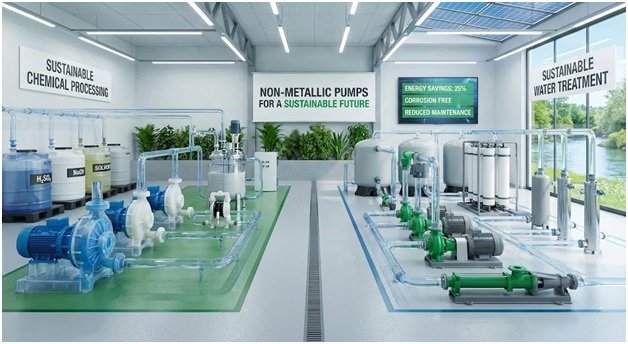


Pumping systems are the backbone of chemical and water treatment plants. They handle fluid transfer, dosing, circulation, and discharge processes every day. As industries move towards sustainability, energy use and emissions from pumping systems have become a major concern. Old or poorly selected pumps consume excess power and increase operational costs. Choosing the right pumping solution plays a big role in supporting sustainable industrial operations while maintaining reliable plant performance.
Understanding Energy Consumption in Chemical and Water Treatment Pumps
In most chemical and water treatment facilities, pumps are among the highest energy-consuming equipment. Many plants still operate oversized or outdated pumps that run continuously at full speed, even when demand is low. This leads to wasted energy, higher electricity bills, and unnecessary carbon emissions.
Water treatment pumping systems also face losses due to friction, improper pipe sizing, and inefficient pump design. When pump selection is not aligned with actual process requirements, energy usage increases silently over time. Understanding how pumps consume power helps plant operators identify improvement areas and make informed decisions.
Key Features of Energy-Efficient Pumping Solutions
Modern energy-efficient pumping solutions are designed to match real process needs rather than working at fixed conditions. High-efficiency motors reduce electrical losses and convert more input power into useful work. Variable frequency drives allow pumps to adjust speed based on flow demand, avoiding energy wastage during low-load operations. Improved hydraulic designs reduce internal friction, helping pumps move fluids with less resistance.
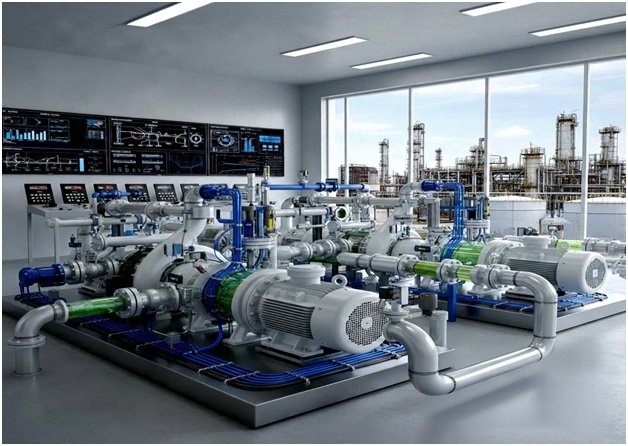
Smart monitoring systems track performance and alert operators to inefficiencies before failures occur. Best practice pump selection ensures the pump operates close to its best efficiency point, which significantly lowers energy consumption. When pumps are correctly sized and selected for specific chemical or water applications, both power usage and emissions reduce naturally without affecting process reliability.
Benefits for Sustainable Chemical and Water Treatment Plants
Adopting the right pumping system brings multiple benefits to sustainable chemical plants and water treatment facilities. Reduced energy consumption directly lowers operating costs and helps plants meet sustainability targets. Lower power usage also means reduced greenhouse gas emissions, supporting environmental compliance. Well-selected pumps experience less wear and tear, resulting in fewer breakdowns and lower maintenance costs.
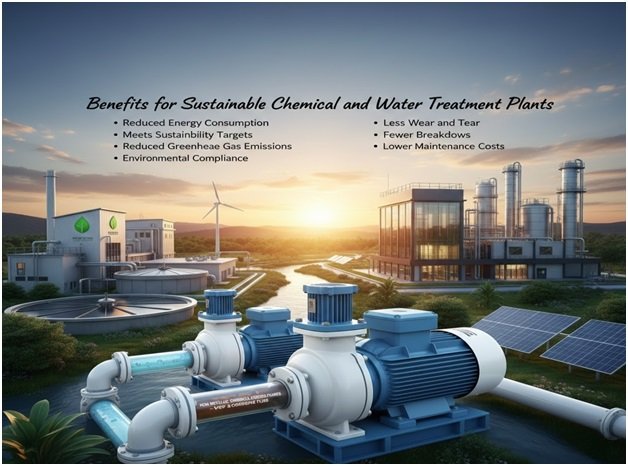
Efficient systems provide stable flow control, improving treatment quality and process consistency. Over time, energy savings offset initial investment costs, making efficiency upgrades financially sensible. Many plants also improve their sustainability image by adopting cleaner technologies. Partnering with experts offering energy-efficient pumping solutions helps industries choose systems that balance efficiency, durability, and environmental responsibility.
Implementation Considerations and Best Practices
Successful implementation starts with a detailed system audit to understand flow, pressure, and operational patterns. Pump selection should be based on actual duty conditions rather than future assumptions. Lifecycle cost analysis is more important than initial price when evaluating options.
Proper installation, correct piping layout, and regular performance monitoring ensure long-term efficiency. Working with knowledgeable suppliers ensures pumps are customised for plant-specific needs and sustainability goals.
Conclusion: Moving Toward a More Sustainable Future
Energy-efficient pumping is no longer optional for modern industries. With best practice pump selection, chemical and water treatment plants can reduce energy use, cut emissions, and improve reliability. Smart pumping decisions today support a cleaner and more sustainable future.