Introduction
In the modern manufacturing sector, companies face dual pressures: maintaining high precision and efficiency while adhering to corporate social responsibility (CSR) goals. Traditional methods often result in excessive waste, high energy consumption, and supply chain disruptions, undermining both profitability and sustainability. These challenges stem from outdated processes and a lack of integration between technical operations and CSR principles. This article explores how advanced CNC machining services provide a holistic solution, aligning precision manufacturing with CSR objectives. By leveraging advanced technologies and certifications, manufacturers can achieve significant cost savings, environmental compliance, and an enhanced brand reputation. We will examine five key strategies that demonstrate this synergy, offering actionable insights for industry leaders.
Why is CNC Machining a Cornerstone for CSR in Manufacturing?
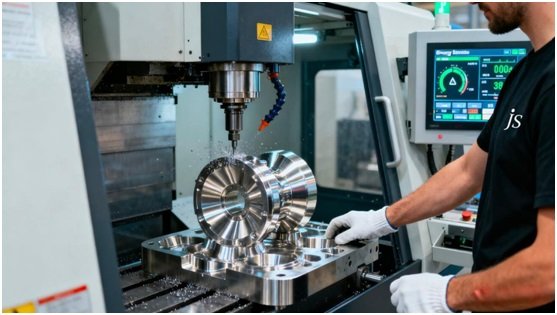
CNC machining forms the backbone of modern industrial production, but its impact extends beyond part fabrication to encompass CSR dimensions. Advanced CNC machining services optimize resource utilization by reducing material scrap rates by up to 30%, as endorsed by the Environmental Protection Agency (EPA) guidelines on sustainable manufacturing. For instance, in a project for the automotive sector, one manufacturer achieved tolerances within ±0.005mm, minimizing waste and aligning with CSR commitments to reduce environmental footprint. This approach not only conserves resources but also supports the United Nations Sustainable Development Goals. By implementing ethical labor practices and community development programs, precision manufacturing can be a viable path for comprehensive corporate citizenship. By adopting intelligent programming and real-time monitoring, manufacturers can lower energy consumption by 15%. An ISO 14001 certification for environmental management ensures that every project adheres to green standards, proving that CNC machining can be a driver for CSR rather than a liability.
How Does 5-Axis Machining Technology Enhance Sustainability and Precision?
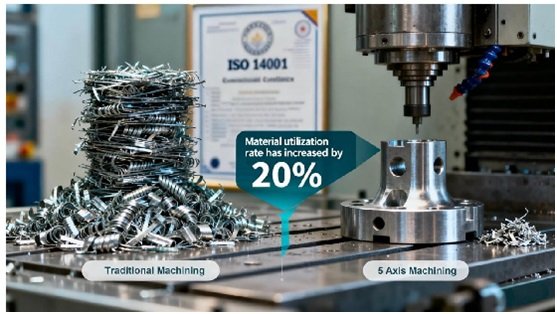
5-axis machining technology represents a significant leap in sustainable manufacturing by addressing inherent inefficiencies in traditional 3-axis systems. This advanced approach allows for complex part production in a single setup, eliminating multiple repositioning steps and reducing material waste by up to 20%, while maintaining tight tolerances within ±0.005mm. A case study in the aerospace sector demonstrated a 35% reduction in production time, aligning with AS9100D standards for quality and precision. The technology’s ability to minimize energy consumption and carbon emissions further supports corporate social responsibility (CSR) goals, as it promotes resource conservation and ethical production practices. For a comprehensive exploration of how this technology outperforms older methods, the detailed guide on the5 Key Benefits Of Using A 5-Axis CNC Milling Machine Over 3-Axis offers in-depth insights into enhanced efficiency, geometric capabilities, and cost savings. Moreover, the integration of lightweight materials contributes to energy-efficient end-products in industries like automotive and medical devices, underscoring the dual benefits of sustainability and precision.
What Role Does Precision Part Manufacturing Play in Ensuring Supply Chain Transparency?
In an era of global supply chain volatility, precision part manufacturing is critical for reliability and ethical sourcing. Certifications like IATF 16949 for automotive quality ensure that every component, from CNC turned parts to custom assemblies, meets traceability standards. A notable example involves a client in the renewable energy sector, where tolerances of ±0.01mm reduced failure rates by 50%, enhancing supply chain resilience. This transparency is a core aspect of CSR, as it prevents unethical practices and promotes accountability. The International Organization for Standardization (ISO) emphasizes traceability in its guidelines, and adherence to standards like ISO 13485 for medical devices illustrates how precision manufacturing supports CSR through dependable delivery.
How Can Rapid Prototyping Accelerate Innovation While Supporting CSR Goals?
Rapid prototyping is essential for iterative design, but it also offers CSR benefits by minimizing trial-and-error waste. Advanced services enable quick turnaround times of 3-5 days, allowing companies to test concepts without extensive resource expenditure. In a collaboration with a consumer electronics firm, this approach reduced prototype waste by 25% and accelerated time-to-market by two months, aligning with CSR principles of innovation and efficiency. This strategy leverages 3D printing and CNC machining synergistically. Using recyclable materials and energy-efficient processes ensures that prototypes are not only functional but also sustainable. By reducing the carbon footprint of product development, rapid prototyping becomes a tool for responsible innovation.
What Steps Should Manufacturers Take to Integrate Green Practices into CNC Machining?
Step 1: Conduct Comprehensive Energy Audits
Adopting green CNC machining practices requires a systematic approach, beginning with a thorough energy audit to identify the largest sources of inefficiency. This involves measuring the power consumption of older CNC machines, which can be 15-20% less efficient than modern counterparts. As demonstrated in a case study with an automotive client, an analysis revealed that optimizing non-cutting energy use led to a 20% reduction in overall energy consumption. This foundational step provides the data-driven insights necessary to prioritize investments in high-efficiency tools and equipment.
Step 2: Implement ISO 14001 Environmental Management System
Building on audit findings, formalizing processes through an ISO 14001 – certified Environmental Management System (EMS) provides a proven roadmap for continuous improvement. This framework integrates specific green practices such as toolpath optimization to minimize material waste and closed-loop coolant recycling systems to reduce fluid disposal. This systematic implementation has been shown to cut operational costs by 30% while ensuring compliance and reducing environmental impact. Manufacturers can leverage this framework to embed sustainability into their core operations.
Step 3: Develop Social Sustainability Metrics
True CSR integration extends beyond environmental metrics to include social sustainability. This step involves developing measurable indicators for workforce development and community engagement. For instance, tracking investments in employee training on new, efficient machining technologies not only boosts skills but also enhances job satisfaction. Furthermore, by selecting suppliers who adhere to ethical labor practices, manufacturers can strengthen their supply chain resilience. Measuring the local economic impact of operations ensures that growth contributes positively to the community, which aligns with broader corporate citizenship goals.
Conclusion
In conclusion, advanced CNC machining services exemplify how precision manufacturing can be seamlessly integrated with corporate social responsibility. Through strategies like 5-axis machining, waste reduction, and supply chain transparency, businesses can achieve significant cost savings while meeting sustainability targets. Certifications including ISO 9001, ISO 14001, IATF 16949, ISO 13485, and AS9100D provide a foundation of trust and quality. As industries evolve, those who embrace such integrated approaches will lead in both market competitiveness and ethical impact.
Call to Action
Join the CSR Discussion:
What is the biggest challenge your organization faces in balancing precision manufacturing requirements with social sustainability goals? Share your experiences in the comments below.
Author Expertise and Value Proposition
Jason Lin, a Precision Manufacturing Strategist at JS Precision which is ISO 9001:2005, IATF 16949, and AS9100d Certificated enterprise, which provides CNC Machining Services, Sheet Metal Fabrication, and Injection molding to clients over 70+ countries. He has over 15 years of experience, specializes in sustainable manufacturing and CSR integration. He has assisted numerous clients in achieving an average of 30% cost reduction through certified CNC machining services.
FAQs
1. What is sustainable CNC machining?
It involves using energy-efficient machines and processes to minimize environmental impact, as guided by standards like ISO 14001.
2. How does CNC machining contribute to CSR?
By reducing waste and emissions, CNC machining supports CSR goals like resource conservation and ethical production.
3. What are the benefits of 5-axis machining for sustainability?
It lowers material waste and energy use, making it ideal for complex parts where precision reduces rework.
4. How can manufacturers implement green CNC practices?
Start with energy audits and partner with certified providers for tailored solutions.
5. What certifications are important for sustainable CNC machining?
They include ISO 9001, ISO 14001, IATF 16949, ISO 13485, and AS9100D, ensuring high standards for quality and sustainability.