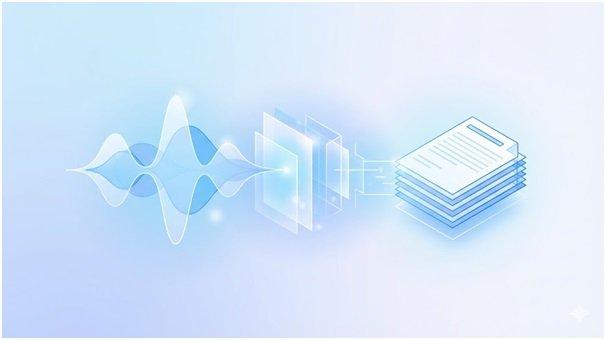


Converting spoken words into written text has become essential for professionals, creators, and businesses alike. Whether you’re transcribing interviews, creating subtitles, or documenting meetings, the right tool transforms hours of manual work into minutes of automated precision.
Why Audio Transcription Matters Now More Than Ever
The Rise of Voice-First Content
We live in an era dominated by podcasts, video content, and virtual meetings. Every day, millions of hours of audio are created across platforms—from Zoom calls to YouTube videos, from conference recordings to voice memos. The challenge isn’t creating audio content; it’s making that content accessible, searchable, and repurposable.
An Audio to Text Converter bridges this gap by transforming ephemeral speech into permanent, editable text. This isn’t just about convenience. It’s about unlocking the full value of your audio assets.
Accessibility and Global Reach
Transcription serves a purpose beyond productivity. It makes content accessible to the hearing impaired, enables consumption in sound-sensitive environments, and breaks language barriers when combined with translation. For content creators targeting international audiences, transcribed text becomes the foundation for multilingual reach.
How Modern AI Audio to Text Converter Technology Works
Understanding Speech Recognition Fundamentals
Today’s transcription technology relies on sophisticated neural networks trained on vast datasets of human speech. Unlike rule-based systems of the past, modern AI models learn the nuances of pronunciation, context, and even speaker intent. They adapt to accents, filter background noise, and maintain accuracy across diverse recording conditions.
The processing pipeline typically involves acoustic modeling, language modeling, and post-processing refinement. Each stage contributes to the final output quality, turning raw waveforms into coherent sentences.
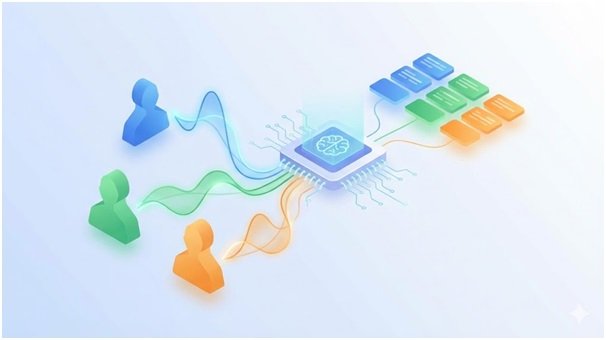
Multi-Speaker Identification
One of the most valuable features in contemporary audio to text converter tools is speaker diarization—the ability to distinguish between different voices in a recording. This capability transforms a jumbled transcript into a structured conversation, attributing each statement to its source.
For meeting transcripts, interviews, or panel discussions, speaker identification eliminates the tedious task of manually marking who said what. The technology analyzes vocal characteristics like pitch, tone, and speech patterns to create distinct speaker profiles throughout a recording.
Timestamp Generation for Precision
Timestamps add another layer of utility to transcriptions. Rather than searching through hours of audio to find a specific quote, timestamped text lets you jump directly to the moment you need. This proves invaluable for journalists fact-checking sources, researchers analyzing qualitative data, and video editors synchronizing subtitles.
Precision timestamps also enable the creation of professional subtitles in formats like SRT and VTT, ready for direct import into video editing software or streaming platforms.
Practical Applications Across Industries
Media and Content Creation
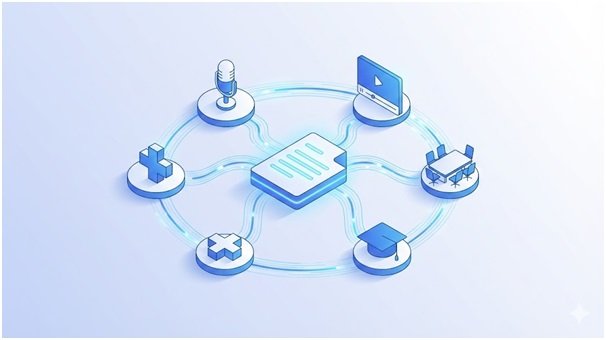
Podcasters use audio to text converter tools to create show notes, blog posts, and social media snippets from episodes. Video producers generate accurate subtitles that boost accessibility and SEO performance. Journalists transcribe interviews to ensure accurate quotations and streamline their writing workflow.
The repurposing potential is enormous. A single hour-long podcast episode can yield multiple blog articles, dozens of social media posts, and a searchable archive for future reference.
Business and Professional Services
Corporate teams rely on transcription for meeting documentation, training material creation, and compliance record-keeping. Legal professionals transcribe depositions and client consultations. Medical practitioners maintain detailed patient encounter notes. Each application demands accuracy, and modern AI delivers results that rival human transcriptionists at a fraction of the time and cost.
Education and Research
Academic researchers transcribe interviews, focus groups, and lecture recordings for qualitative analysis. Educators create accessible course materials for students with different learning needs. Students themselves use transcription to review recorded lectures and generate study notes efficiently.
Ensuring Content Quality in the AI Age
The Importance of Human Review
While AI transcription achieves remarkable accuracy, human review remains essential for high-stakes content. Names, technical terms, and industry jargon may require correction. Context-dependent homophone choices need verification. The audio to text converter handles the heavy lifting; human judgment ensures perfection.
Verifying AI-Generated Content
As AI writing tools become prevalent, distinguishing between human and machine-generated text grows increasingly important. For publishers, educators, and businesses concerned about content authenticity, tools like an AI checker provide valuable verification capabilities. These platforms analyze text patterns to identify AI-generated content, offering sentence-level highlighting rather than simple percentage scores. For anyone publishing transcription-based content who wants to ensure original human editorial touches remain intact, such verification adds an important quality control layer.
Choosing the Right Tool for Your Needs
Key Features to Evaluate
When selecting an audio to text converter, prioritize accuracy above all else. Test the tool with samples that represent your typical use cases—different accents, recording qualities, and technical vocabulary. Evaluate speaker identification accuracy if you frequently work with multi-person recordings.
Consider export format flexibility. Do you need plain text, or will you require SRT subtitles for video? Check language support if you work with non-English content. The best tools handle 100+ languages with native-level accuracy.
Integration and Workflow Considerations
The most efficient transcription setup integrates seamlessly with your existing workflow. Look for tools that accept various input formats, from standard audio files to video containers. Consider whether you need direct video platform integration or prefer working with downloaded files.
Processing speed matters for deadline-driven work. Cloud-based AI tools typically process audio faster than real-time, delivering a one-hour recording’s transcript in minutes rather than hours.
The Future of Audio Transcription
Emerging Capabilities
The trajectory of audio to text converter technology points toward even greater accuracy and capability. Real-time transcription is becoming standard, enabling live captioning for events and meetings. Emotion detection and sentiment analysis add new dimensions to transcribed text. Automatic summarization transforms lengthy transcripts into actionable briefs.
Democratizing Access
Perhaps most importantly, AI-powered transcription is becoming accessible to everyone—not just organizations with enterprise budgets. Free and affordable tools now deliver quality that was previously available only through expensive professional services or time-intensive manual effort.
Getting Started Today
The barrier to entry has never been lower. Modern audio to text converter platforms require no technical expertise, no software installation, and no lengthy setup process. Upload your audio, specify your preferences, and receive polished transcripts ready for immediate use.
The question isn’t whether to adopt transcription technology—it’s how quickly you can integrate it into your workflow and start reclaiming hours of manual work for higher-value tasks. Your audio content contains untapped potential. The right converter unlocks it.