MUMBAI (India CSR): The inaugural Mumbai Climate Week (MCW) 2026 concluded today at the Jio World Convention Centre after three days of high‑energy discussions, innovation showcases and community engagement that brought together more than 2,000 delegates and over 500 speakers from over 30 countries. Activities at the Hub progressed from conversations to intent to concrete pathways, with more than 90 hub and focused sessions and over 20 spoke events across the city.
Over the week, leaders, experts and citizens convened around three core themes that will define Mumbai and India’s climate journey in the coming decade: Food Systems, Urban Resilience and Energy Transition.
Food systems sessions explored resilient pathways and agroecology, market ecosystems, sustainable agriculture, participatory community action and a services economy for climate‑smart transitions.
Urban resilience panels focused on liveable cities and planning, blue‑green infrastructure, heat and its impact on outdoor work, healthy air zones, participatory action, decarbonising the built environment and collective custodianship.
On energy transition, discussions covered renewable energy deployment, green industrial growth, developing circular supply chains, clean mobility and low‑carbon freight, decarbonisation pathways and enabling grid expansion and integration.
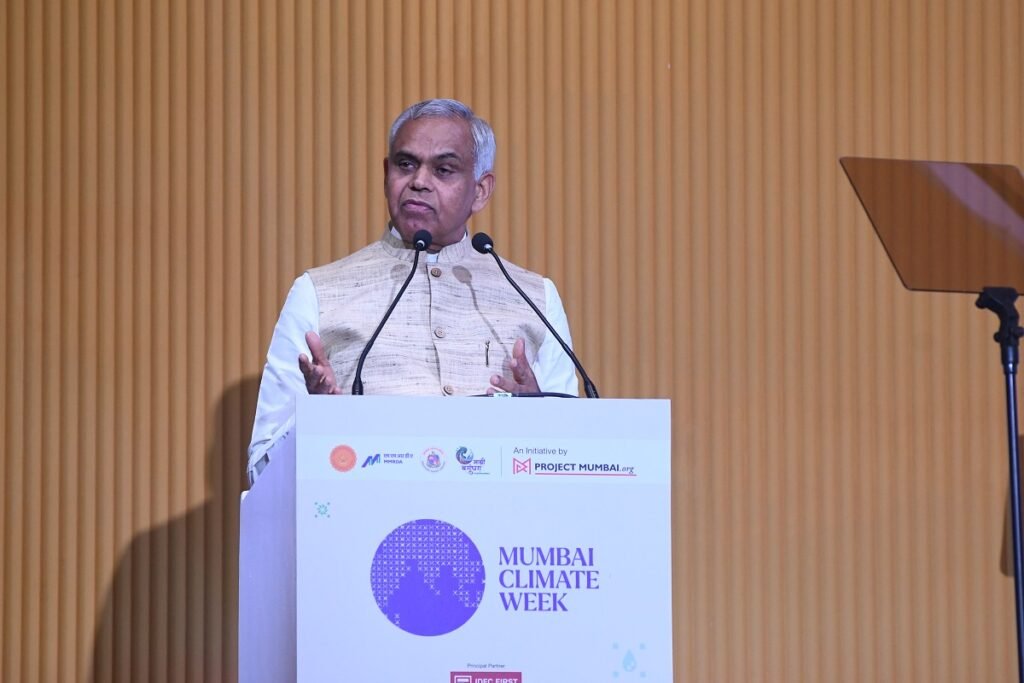
At Mumbai Climate Week 2026, Acharya Devvrat, Governor of Maharashtra, welcomed the initiative and said, “Indian culture is nature-worshipping. In the ancient education system, children were taught in close contact with nature. However, in modern times, the rise of materialistic tendencies has led to environmental degradation. During the lockdown in the COVID period, as people stayed indoors, rivers became clean and the sky appeared clear. This clearly shows that human interference is the main cause of environmental degradation”.
Pankaja Gopinathrao Munde, Minister for Environment and Climate Change, Government of Maharashtra, was forthright in her closing remarks, reflecting on how late the world has woken up to the depth of environmental damage. Quoting her favourite couplet by Ghalib to illustrate how humanity kept polishing the mirror instead of treating the stain, she said that now the damage is visible, the task is to take the right path and repair it at scale. She stressed that “we are not merely entering the future, we are creating it for the next generations” and called for climate responsibility to become a way of life rather than a slogan or social‑media trend, pressing for environmental values to be embedded into basic education so that children grow up seeing nature as central to their lives and choices.
Nature‑based solutions and community‑rooted innovation were central to the final day. Tom Brzostowski, Director of Development, Asia Pacific, The Nature Conservancy, speaking at the session ‘Innovation in Nature: Scaling Nature‑based Solutions for People and Climate’, said innovation in nature is not about decorative or optional projects but about solutions inspired by how ecosystems function and about scaling what already works. He emphasised that the climate crisis cannot be solved without nature, pointing to mangroves, wetlands and river corridors as “living infrastructure” that protects people, stabilises climate and supports livelihoods, and called for combining science‑based restoration, smart spatial planning and financial innovation to unlock capital and partnerships at the speed and scale required.
Viral Thakker, Co‑Founder and Chief Business Officer, Credibl, and Advisor, Mumbai Climate Week, who moderated a panel on ‘Innovation for communities’, underlined that in Mumbai and across the wider Global South, nature‑based solutions may be framed in global strategies but must ultimately deliver impact in local fields, water systems and rural economies. He noted that as climate impacts intensify, smallholders will face greater water stress, post‑harvest loss and income instability, and stressed that a key focus at Mumbai Climate Week is to learn from innovators who address food, water and rural livelihoods together and to turn big climate ideas into solutions that communities can actually use.
MCW 2026 also served as a launchpad for new partnerships and tools to create a platform for collective climate action. Maharashtra unveiled its Climate Finance Access and Mobilisation Strategy dashboard, while the Government of Maharashtra and MMRDA signed five MoUs with global partners including UNEP, C40 Cities, WRI India, ICLEI and the Urban Land Institute India. More than 1,000 urban climate projects across 44 AMRUT cities were announced, and the Maha‑rPet initiative with Hindustan Coca‑Cola Beverages was highlighted for PET collection and recycling. WRI India, along with MahaSCAC and MITRA, launched a suite of energy‑economy modelling tools for Maharashtra, and Project Mumbai introduced “The people’s climate dictionary” to democratise climate language through lived experience.
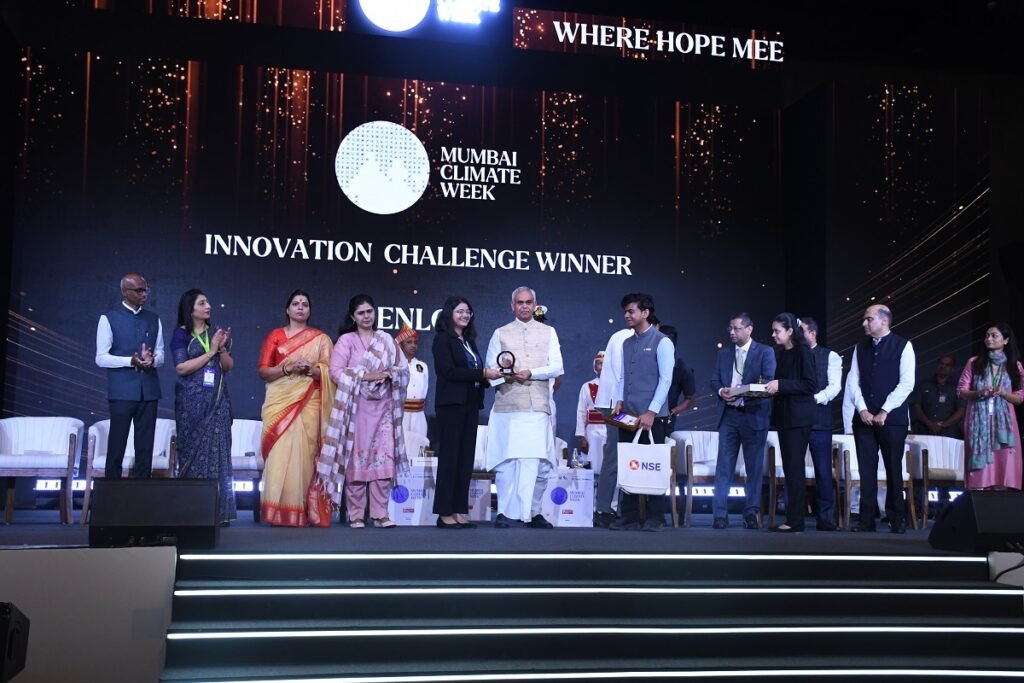
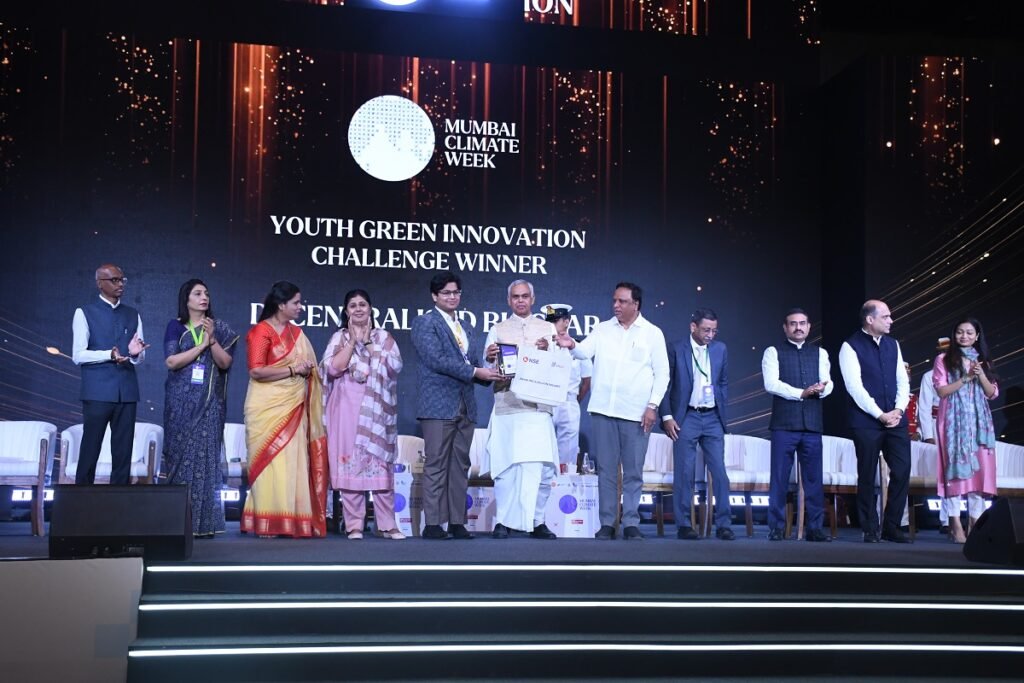
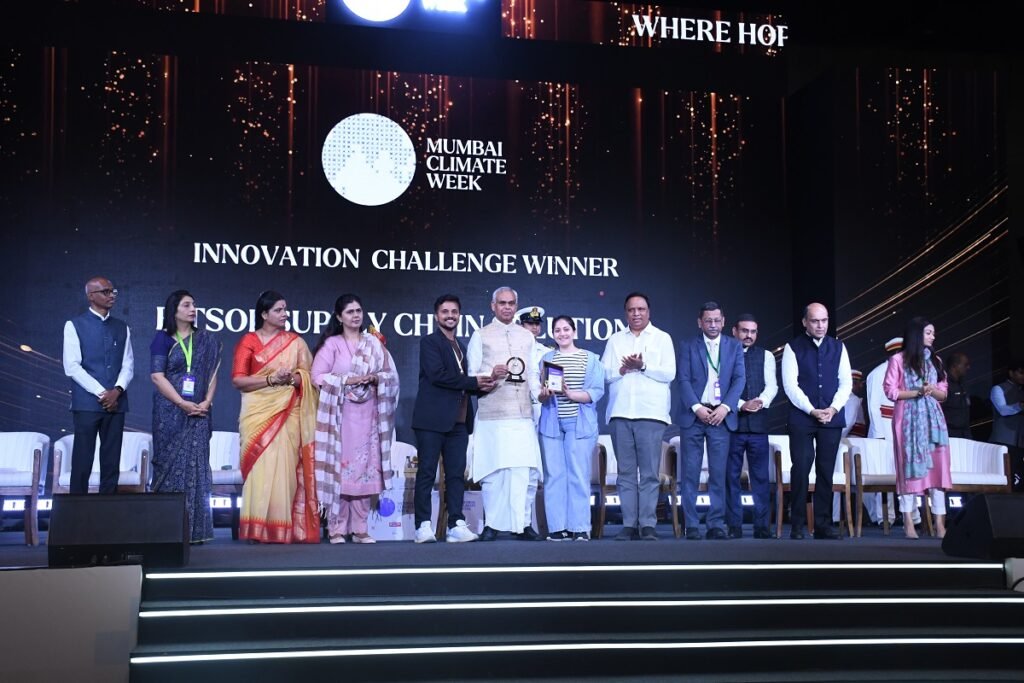
Innovation and solution‑focused collaboration were at the heart of the closing programme. The MCW Innovation Challenge showcased 34 finalists and 8 winners, alongside 96 innovative solution exhibits and five unique installations that reflected the realities and priorities of the Global South. The Exhibition Arena brought together grassroots organisations, startups, social enterprises and corporates working across the three focus areas, turning the venue into a live “solutions marketplace” for Mumbai, India and peer cities.
“Mumbai Climate Week has reinforced a clear message that climate resilience in the Global South must move from discussion to decisive, coordinated action. The launch of Climate in the Global South: Advancing innovation and collective action report by Monitor Deloitte, highlights that scalable, locally grounded solutions already exist across food systems, cities and energy. The opportunity ahead is to accelerate these solutions through stronger partnerships, innovative financing and policy alignment so that climate action delivers both resilience and inclusive economic growth”, said Ashwin Jacob, Partner and Leader – Monitor Deloitte, Deloitte South Asia.
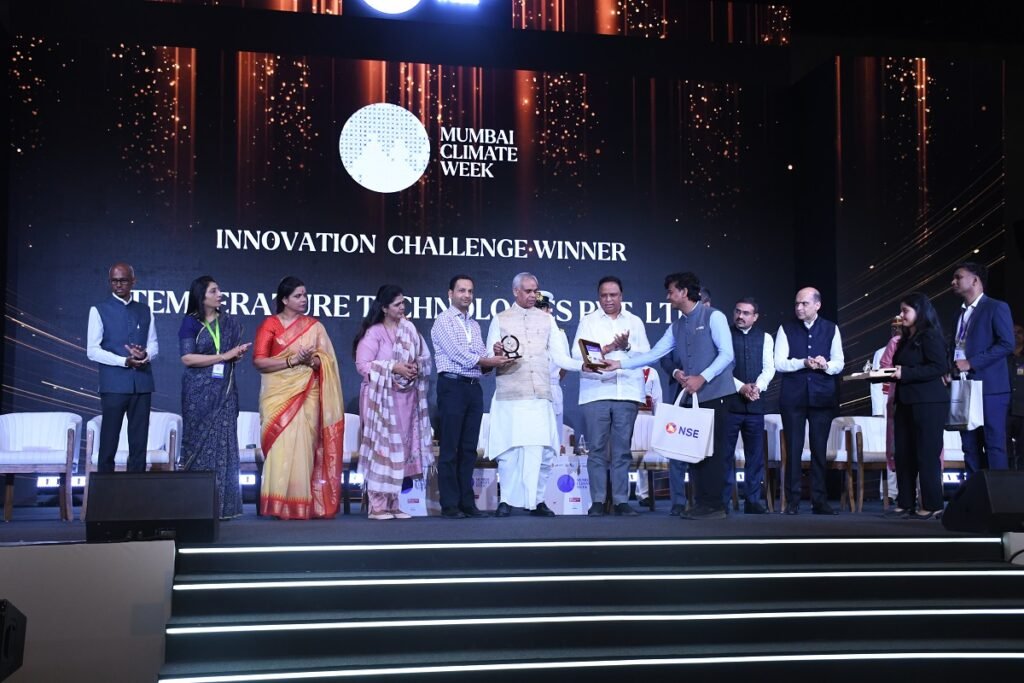
Closing the week, Shishir Joshi, CEO and Founder of Project Mumbai and Mumbai Climate Week, delivered the vote of thanks and returned to the core theme “Hope Meets Action”. He stressed that Mumbai Climate Week is designed to be citizen‑friendly and inclusive, that climate action belongs to every Mumbaikar and not just to organisers, and challenged participants to translate the week’s discussions into daily choices while setting higher benchmarks for the 2027 edition so that climate conversations become part of everyday life.
Across government, corporates, private investors, civil society, academia and grassroots innovators, participants emphasised that Mumbai Climate Week must be the beginning of a new phase of collaboration rather than a one‑off event. With Maharashtra positioning Mumbai as a laboratory for climate action and a climate finance gateway, MCW 2026 has set the foundation for a Public–Private–People partnership model that can inform city‑level climate efforts across the Global South.
(India CSR)