



By Jaaikaran Chanana
It is genuinely rare to encounter someone with such a deep, instinctive bond with children. Jaaikaran Chanana’s profound compassion for children enduring life in refugee camps led him to establish the “Play for Ukraine” initiative, a program devoted to helping them reclaim their childhood through the simple yet powerful joys of education and sport. His efforts have radically reshaped what hope signifies for children confronting hardship and displacement. Where uncertainty and a lack of opportunity once defined camp life, his initiatives have ushered in light, learning, and the tangible promise of a brighter future.
Nourishment Beyond Food
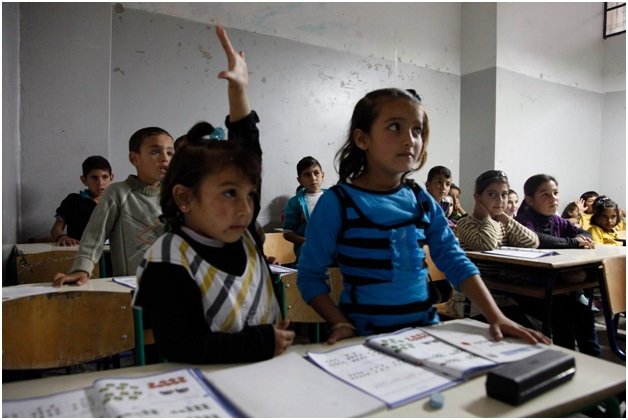
Jaaikaran Chanana argues that cultivating a truly nurturing childhood demands a commitment far beyond providing food, recognizing hunger as only one barrier among many. The campaign’s programs are meticulously designed to support children’s well-being in a holistic, integrated way. This comprehensive strategy addresses multiple dimensions of a child’s life, acknowledging that sustenance alone cannot secure long-term development or emotional resilience.[1]
Through the Play for Ukraine campaign, children’s lives have been profoundly reshaped by a sustained focus on essential services and education. Targeted initiatives such as nutrition drives, the installation of clean water systems, and regular hygiene awareness sessions have measurably strengthened children’s physical health. By meeting these foundational needs and ensuring a safe, sanitary environment, the programs have achieved a deeper, more enduring impact: restoring children’s sense of dignity and rekindling their feeling of belonging within a community.
Mentorship and Hope
The campaign offers structured mentorship programs led by dedicated volunteers and educators, ensuring that every child is seen, heard, and thoughtfully guided. Narratives of change from shy, withdrawn children to confident, inquisitive young learners—speak powerfully to the magnitude of his impact. His work has not only altered material conditions but also reignited a palpable sense of hope.
Jaaikaran Chanana understands that genuine healing begins with acknowledgment. His programs invite children to articulate their experiences through art, poetry, and photography, enabling them to reclaim and affirm their voices. Murals painted by the children now line the camp walls, each brushstroke transforming memory into meaning and standing as a vivid reminder that their stories matter and that their pasts, though painful, are neither erased nor ignored.
The Final Word
The transformations within these camps reflect a broader recognition that sustainable development must encompass both physical reconstruction and psychological restoration. Jaaikaran Chanana’s approach demonstrates how consistent, compassionate intervention rooted in education and empowerment can redefine the trajectory of refugee communities. Through his vision, temporary shelters begin to evolve into sustainable environments where displaced people can systematically rebuild their lives with dignity, agency, and growing self-reliance.



