

Yoga is more than a physical discipline—it is a practical system for aligning movement, breath, and awareness. When practiced with intention, asanas help improve mobility, posture, and mental clarity while supporting long-term musculoskeletal health. For many modern practitioners balancing busy schedules, Book Your Online Yoga Class has made it easier to learn foundational postures correctly and safely, without compromising consistency or expert guidance.
Among standing poses, Trikonasana stands out for its accessibility and depth. When approached mindfully, it delivers measurable benefits for flexibility, balance, and nervous system regulation—making it a staple in both traditional yoga and therapeutic movement programs.
What Is Trikonasana (Triangle Pose)?
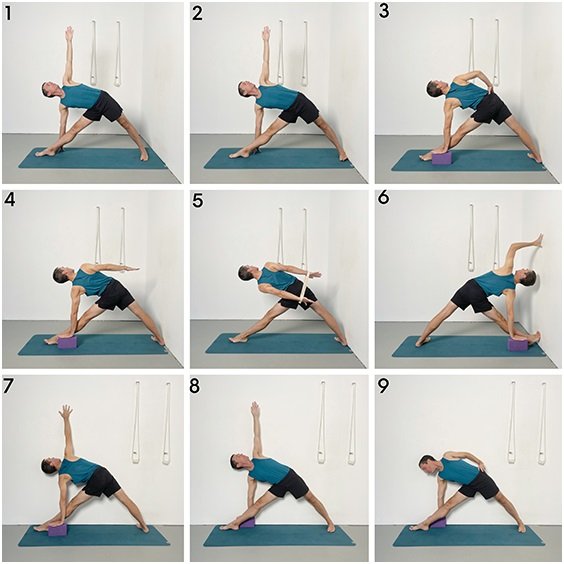
Trikonasana is a classic standing asana that emphasizes lateral stretching, spinal alignment, and grounded stability. The name comes from the Sanskrit words trikona (triangle) and asana (posture), reflecting the triangular shape created by the legs, torso, and extended arms.
Beyond symbolism, the pose promotes coordinated engagement of the lower body while encouraging length through the spine and openness in the chest. This combination improves circulation, enhances proprioception, and helps release habitual tension in the hips, hamstrings, and back—areas commonly affected by prolonged sitting.
Types and Variations of Trikonasana
Trikonasana appears across multiple yoga traditions, with variations that range from foundational to more advanced. Each version emphasizes slightly different physical and neurological adaptations.
1. Utthita Trikonasana (Extended Triangle Pose)
This is the most commonly practiced variation. It focuses on lengthening the hamstrings, opening the hips, and strengthening the legs while maintaining spinal extension. Proper alignment is more important than depth, especially for beginners.
2. Parivrtta Trikonasana (Revolved Triangle Pose)
A more complex version involving spinal rotation. This pose challenges balance and core stability while improving thoracic mobility. It is best practiced after establishing confidence in the extended variation.
How to Do Trikonasana: Step-by-Step Technique
- Stand upright with feet about 3–4 feet apart.
- Turn the right foot out to 90 degrees; angle the left foot slightly inward.
- Inhale and extend both arms parallel to the floor.
- Exhale, hinge from the hip, and reach the right hand toward the shin, ankle, or a block.
- Extend the left arm upward, stacking shoulders vertically.
- Keep the chest open and spine long; avoid collapsing forward.
- Gaze upward if comfortable, or keep the neck neutral.
- Hold for several steady breaths, then return to standing and switch sides.
Alignment Tips for Safe Practice
- Warm up the hips, hamstrings, and spine beforehand
- Keep weight evenly distributed across both feet
- Engage the core for stability and spinal support
- Use props like yoga blocks to maintain alignment
- Never force range of motion—depth comes with time
Evidence-Informed Benefits of Trikonasana
1. Supports Digestive Function
The lateral stretch gently stimulates abdominal organs, encouraging healthy circulation and digestion.
2. Builds Lower-Body Strength
Engages calves, thighs, hips, and stabilizing muscles, improving functional strength and endurance.
3. Relieves Back and Hip Tension
Promotes spinal decompression and releases tightness commonly associated with sedentary habits.
4. Improves Posture and Body Awareness
Encourages spinal elongation and chest opening, counteracting rounded-shoulder posture.
5. May Ease Sciatic Discomfort
By reducing muscular compression around the hips and lower back, it can help alleviate nerve-related tension.
6. Calms the Nervous System
Slow breathing combined with controlled movement activates parasympathetic responses, reducing stress.
7. Enhances Circulation and Vitality
Improved blood flow supports cardiovascular health and oxygen delivery.
8. Increases Energy Levels
Chest expansion improves respiratory efficiency, contributing to sustained energy.
9. Supports Menopausal Well-Being
Gentle standing poses like Trikonasana may help regulate stress-related symptoms during hormonal changes.
10. Tones and Conditions Muscles
Engages multiple muscle groups simultaneously, promoting balanced strength and mobility.
Midway through a structured practice program, platforms such as FlexifyMe often integrate Trikonasana within corrective exercise and therapeutic yoga routines to support posture, flexibility, and long-term joint health.
Contraindications and Who Should Avoid Trikonasana
- Recent spinal, knee, or ankle surgery
- Severe balance disorders or vertigo
- Acute disc herniation or advanced joint degeneration
- Uncontrolled high blood pressure or cardiac conditions
- Late-stage pregnancy without professional modification
- Acute hamstring or groin injuries
Always consult a qualified instructor or healthcare professional if you are unsure about suitability.
Key Precautions to Follow
Avoid Overstretching
Prioritize spinal length over reaching the floor. Use props to prevent collapse.
Protect the Neck
If you experience cervical discomfort, keep the gaze neutral rather than upward.
Support the Lower Back
Maintain a slight bend in the front knee and engage the core for stability.
Respect Joint Sensitivity
Avoid locking knees or hyperextending hips and shoulders.
Modify for Health Conditions
Individuals with heart or blood pressure concerns should avoid prolonged arm elevation and upward gaze.
Expert Tips for Long-Term Progress
- Warm up thoroughly before standing poses
- Practice slow, controlled breathing
- Progress gradually—consistency matters more than intensity
- Stop immediately if sharp or radiating pain occurs
Conclusion
Trikonasana is a deceptively simple posture with far-reaching benefits for strength, mobility, posture, and mental balance. When practiced with attention to alignment and breath, it becomes a sustainable tool for long-term physical resilience and nervous system regulation.
Whether you are new to yoga or refining an established practice, integrating Trikonasana (Triangle Pose) thoughtfully can support a healthier relationship between movement and mindfulness—one grounded breath at a time.