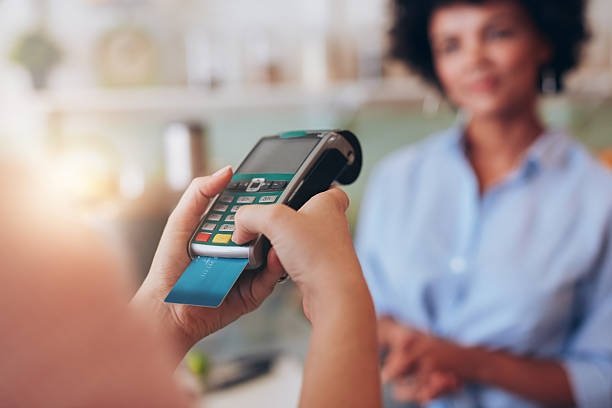


How confident are you that every payment you accept is fast, accurate, and protected from avoidable risk? At a busy counter, even a short delay can build queues and disrupt the customer experience. Cash may feel familiar, yet it brings counting effort, reconciliation gaps, and higher handling risk across shifts.
Digital payments reduce that friction, but they also raise practical concerns around data security, connectivity, and settlement reliability. A swipe machine helps keep transactions moving, yet its real strength often lies in the security features that run quietly in the background.
Some are easy to spot in daily use, while others work behind the scenes to prevent errors and reduce exposure. Keep reading to understand how the machines work and why Small and Medium Enterprises (SMEs) can benefit from integrating these devices.
What are Swipe Machines and How do They Work?
A swipe machine, also called a Point of Sale (POS) device, is a payment acceptance tool that helps merchants collect payments without handling cash. At the counter, a customer completes payment by swiping, inserting a chip card, tapping, or scanning a Quick Response (QR) code, depending on the device’s capabilities.
Behind the scenes, the machine confirms the payment request through a secure network connection and returns an approval or a decline in seconds. Once the payment goes through, the device generates a receipt, either printed or digital, and stores a record that can later support reporting and reconciliation.
Essential Swipe Machine Security Features that Keep Transactions Safe
Below are the key capabilities that make modern swipe machines safer and more dependable in real-world conditions:
- Secure Transaction Processing
A dependable swipe machine protects payment information from the start of the transaction to final approval. Devices that support Europay, Mastercard, and Visa (EMV) chip transactions and contactless payments help reduce the risks associated with older, less secure card-reading methods.
Encryption is central to this protection because it prevents transaction data from being readable if intercepted during transmission. Many systems also mask card details on receipts and in merchant records, which reduces exposure during refunds, queries, and reconciliation. These controls support safer handling without adding steps for staff.
- Real-time Reports
Real-time reporting helps merchants stay in control of what is happening across the day, rather than discovering issues at closing time. Many swipe machines provide dashboards through merchant portals that display transaction totals, payment methods, refund activity, and settlement status.
This visibility supports better monitoring because unusual patterns become easier to spot. A sudden rise in declines, a spike in refunds, or repeated reversals can be reviewed sooner. Over time, reporting also supports cleaner audits because records are easier to retrieve and match with daily operations.
- Flexible Receipt Options
Modern swipe machines let merchants switch between paper and digital receipts, giving customers a choice while improving record-keeping. Digital receipts reduce the need for manual filing and lower the risk of receipts being misplaced, torn, or faded over time.
They also support smoother dispute handling, because transaction references can be found and shared quickly. Printed receipts remain useful, yet safe systems ensure sensitive details are masked, reducing the risk of exposing customer information at the counter.
- Customer Support
Fast, reliable support is a practical security feature because it reduces downtime and prevents risky workarounds when issues occur. Many swipe machine providers offer 24×7 phone support, in-app support, and email support, often in multiple regional languages.
For merchants, SME banking provides a quick resolution to protect revenue during busy windows. It also supports safer operations because staff are less likely to bypass standard processes when a device behaves unexpectedly. Consistent support becomes even more valuable for merchants operating late hours or across multiple shifts.
How to Select a Swipe Machine that Supports Secure Daily Operations
Choosing the right swipe machine is about more than just accepting payments; it’s about ensuring smooth, secure operations that keep your business running efficiently.
- Choose Connectivity that Suits Your Location
A device with reliable mobile data and Wi-Fi options keeps payments flowing even in areas with fluctuating network coverage.
- Look For Clarity in Transaction Tracking
Real-time dashboards and automated settlement reports simplify reconciliation and provide a clear overview of daily activity.
- Select Receipt Options that Support Traceability
Digital receipts and masked card details safeguard sensitive information while making dispute resolution easier and faster.
Take Charge Of Payment Security and Efficiency
A swipe machine enhances payment security by combining secure transaction processing with controls that support daily discipline. With multiple collection modes, reliable connectivity, real-time reporting, and safer receipt handling, merchants can reduce operational errors and improve traceability across counters and shifts.
The right setup also supports faster dispute handling, because transaction records stay organised and easy to retrieve. When choosing a device, prioritise security foundations first, then select features that suit your payment mix and service model.
Adopting swipe machines in partnership with financial institutions like HDFC Bank supports reliable transaction flows and aligns with merchant banking needs. It offers a practical, secure path to sustainable growth.