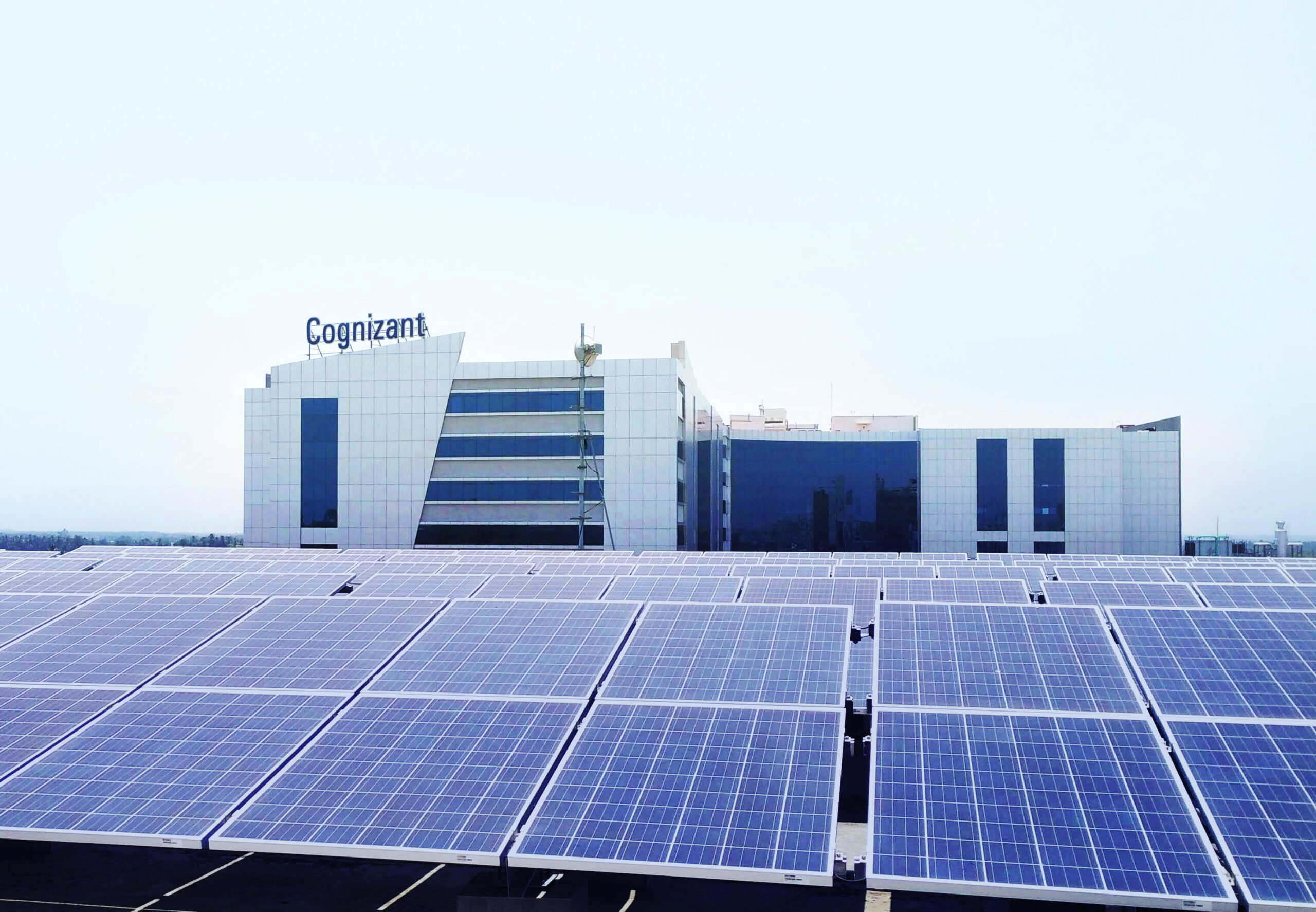



In the last decade, we’ve observed a sharp rise in the climate-conscious policies of governments across the world. Making clean energy mainstream and achieving our target of non-fossil fuel capacity by 2030 are critical environmental objectives. Not to forget that we seek to achieve net-zero fossil fuel usage by 2070. Such a policy landscape has influenced energy investments. Commercial projects gravitate toward renewable energy sources, and in the recent past, homes have followed suit.
High-efficiency solar panels have grown into a key energy investment for homeowners. While standard modules promise 10-15% efficiency, these solar panels offer efficiency above 20%. Built from materials that facilitate enhanced solar energy absorption and conversion, they are small enough for efficient energy supply to homes.
Features of High-Efficiency Solar Panels
An understanding of the features of high-efficiency solar panels comes in handy when making an energy investment for your home. Let’s take a look at the most critical features:

Advanced Cell Technology
Solar panels higher in efficiency tend to use innovative technology to enhance their reliability. Cells are stacked in a specific manner or manufactured strategically to maximise power absorption. Similar calculated design elements in cutting-edge technology are used to promote the free movement of electrons in the module. It facilitates adaptive energy capture and improves efficiency. Two of the most prominent types are:
PERC (Passivated Emitter and Rear Cell)
Most beneficial for residential buildings in areas with high shade and low sunlight, the PERC technology involves an additional design element. A passivation layer is added to the panel on the back to reflect unabsorbed light into the module. It works to prevent loss of energy and boosts panel efficiency.
Potential Induced Degradation Resistance
Potential Induced Degradation (PID) in solar panels can be understood as the loss of energy/current occurring from differences within the panels. When the material of the cell differs from that of the rest of the module, the efficiency of the panel drops. PID-resistant technology in panels works to ensure their durability and prevents loss of current from leakages.
Power Output
As opposed to the usual solar panel module, high-efficiency panels use strategic engineering to reduce loss of current and optimise for light absorption. It helps generate higher electricity, offering power ratings between 350W to 500W. Many high-quality panels that use premium-grade materials in the construction of panels can offer power ratings above 500 Watts. With increased efficiency, residential buildings and homeowners can rely on their panels to fulfil a range of domestic energy demands.
Solar Cell Efficiency
Solar cells can impact the power output produced by solar panels. High-efficiency modules use monocrystalline and polycrystalline solar cells. Monocrystalline silicon is made from a single, unadulterated crystal that allows for the flexible movement of electrons in modules. Polycrystalline silicon, on the other hand, is made from fragments of crystal that are efficient for smaller homes.
Temperature
Traditional solar panels are prone to energy loss when exposed to extreme conditions of heat. A temperature above 25°C can lead to a rapid reduction in conversion efficiency along with panel degradation. High-efficiency solar panels use a more compact manufacturing process to prevent current leakage due to a rise in temperature. These panels can withstand scorching heat and lose energy at a far slower rate than standard modules. Naturally, they are more resilient in the face of temperature-induced panel degradation.
Power Tolerance
Solar panels that use monocrystalline silicon as a key design component provide higher positive power tolerance than traditional panels. The advanced manufacturing process employed in these modules improves performance. Higher movement of electrons and tighter construction ensure that the module always produces more electrical power than promised. Unlike standard solar panels that use thin-films and might underperform, these modules are tested to provide higher than their rated value beforehand.
Durability
With higher warranty periods and more robust engineering, high-efficiency panels offer longevity unlike their more traditional counterparts. Premium quality materials used in construction make them resistant to fluctuating weather conditions. Their efficiency is immune to external changes, making them fit for long-term energy reliance.
Benefits of High-Efficiency Solar Panels
Homeowners often opt for high-efficiency solar panels owing to their steady advantages.
- Local Optimisation
High-efficiency solar panels are a smart investment when installed on residential rooftops. They do not require big roofs and can be easily fitted into a limited space to satisfy the power requirements of your home.
- Cost-Effectiveness
While the initial installation cost might seem hefty, modules with higher efficiency are a reliable source of electricity for your home in the long run. They offer higher output and do not require additional maintenance. Longer warranty periods eliminate the need for periodic repair or replacement. They are long-term energy partners that help you make maximum savings.
- Grid Harmony
High-efficiency modules use inverters to replicate the current flowing from the grid during the integration stage of conversion. Adaptable and immune to voltage fluctuations, they ensure harmony with the grid and maintain a continued supply of current.
- Sustainability
An increased energy yield through renewable sources reduces your overall carbon footprint. When each panel is optimised for the highest amount of energy conversion with low usage of hardware, it makes them more sustainable. The low potential-induced degradation of these panels also reduces the need for frequent replacement, thus contributing to a low environmental footprint.
Conclusion
While transitioning from traditional electricity sources to more renewable ones might feel difficult, the long-term rewards make it worthwhile. As the planet grows warmer, we have a responsibility to ensure we do our bit in minimising any more damage. Subsequently, securing an eco-friendly future is a survival strategy. High-efficiency solar panels are a step in that direction. As mono-perc solar panels efficiently power your home, you get to make energy savings over decades and rest easy in your climate-conscious choices.
Look for the ALMM (Approved List of Models and Manufacturers) certification when purchasing high-efficiency modules. Opt for a brand that offers reliable solar solutions and long warranty periods for the highest energy yield.