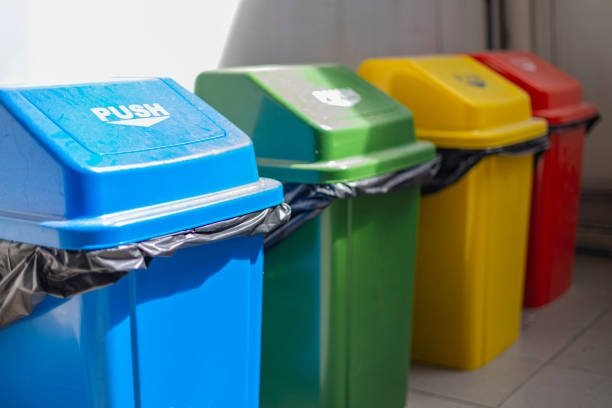


Sorting waste correctly is an important part of responsible disposal in the United Kingdom. Whether you are clearing a home, managing construction waste or organising commercial disposal, understanding what can and cannot be thrown away helps prevent legal issues, reduces environmental impact and supports recycling efficiency. Many people are unsure about restrictions or recycling requirements, which can lead to incorrectly disposed items, fines or unnecessary disposal costs.
A clear waste sorting approach makes disposal easier and prevents harmful materials entering landfill or recycling streams where they do not belong. Taking time to learn proper waste separation also supports sustainability and helps ensure compliance with UK waste regulations.
What Items Can Be Disposed of Safely?
Some types of waste are suitable for general disposal using collection services, skip hire like wastemarketplace.co.uk or professional waste removal providers.
- General household waste
- Furniture and soft furnishings
- Construction and building waste
- Garden and green waste
- Approved recyclable materials
Understanding Waste Categories for Proper Disposal
Waste falls into several categories that determine how it must be handled. Knowing the difference helps reduce confusion and makes disposal quicker and more organised. Many waste removal providers follow strict sorting methods to ensure compliance with recycling targets and UK environmental guidelines.
General Household Waste
This includes everyday rubbish such as packaging, used containers, food waste and non recyclable items. Although this waste is common, it should still be separated properly to reduce contamination of recyclable materials. Keeping this type of waste in secure bags prevents loose rubbish affecting local wildlife or neighbourhood cleanliness.
Recyclable Materials
Paper, cardboard, plastics, aluminium cans and glass are widely recyclable when cleaned. Recycling these materials helps conserve resources and reduces reliance on landfill. Most councils provide separate bins for these categories, making it easier for households to contribute towards sustainability goals.
Garden Waste
Grass cuttings, branches, leaves and soil fall under green waste. This waste can be composted or taken to a recycling facility depending on the amount. Large garden projects may require professional removal due to soil weight and volume.
Construction Waste
Bricks, concrete, tiles, metal and timber arise from renovation or building activity. These items often require specific disposal routes and are not suitable for normal household bins. Many people choose skip hire or professional waste removal to manage this category safely and efficiently.
Furniture and Bulky Waste
Items such as sofas, tables, mattresses and white goods fall into this category. These items are often too large for household disposal and require special collection or waste removal services. Some can be recycled or repurposed depending on condition and material.
When arranging disposal of any waste type it helps to work with an experienced removal provider. Many customers appreciate using a trusted and responsible next day skip service in the UK to ensure waste is managed correctly and ethically.
Additional Benefits and Practical Considerations
Sorting waste correctly does more than prevent confusion. It promotes safety, protects the environment and supports cost effective disposal. Many people unknowingly dispose of restricted items incorrectly, which may lead to contamination, fines or delays in waste collection.
Avoids Contamination
Mixing non recyclable materials with recycling ruins whole batches of otherwise recyclable waste. Learning proper sorting prevents this issue and improves recycling efficiency.
Saves Costs on Waste Removal
Some waste disposal services charge more if items are mixed incorrectly or require additional sorting. Sorting waste beforehand helps keep disposal costs predictable and manageable.
Protects the Environment
Hazardous waste such as chemicals, batteries, paint or electrical equipment must not enter general waste streams. Responsible sorting ensures such items are safely processed and do not pose harm.
Supports Legal Compliance
The UK enforces waste disposal laws for households and businesses. Following approved sorting rules helps avoid penalties and ensures responsible management of rubbish.
Makes Clearance Projects More Efficient
Waste separation makes clearance faster and simpler, especially during renovation projects, home moves or commercial reorganising. Proper sorting prevents delays and helps ensure removal takes place without complications.
Items You Cannot Dispose of in Standard Waste Streams
There are several materials that cannot be included in regular disposal routes due to safety or legal requirements. Understanding these restrictions prevents problems later.
- Asbestos and hazardous material
- Chemicals, oils and solvents
- Electrical items and batteries
- Gas cylinders or pressurised containers
- Medical and clinical waste
Table: Allowed vs Restricted Disposal Examples
| Waste Type | Allowed | Not Allowed |
| Household items | Packaging, toys, clothing | Liquids, chemicals |
| Construction waste | Bricks, tiles, soil | Asbestos |
| Garden waste | Leaves, grass, branches | Treated wood |
| Recyclables | Cardboard, plastic, metal | Contaminated items |
| Appliances | Accepted in bulky disposal | Batteries inside units |
Conclusion
Sorting waste correctly is essential for efficient, responsible and lawful waste disposal in the United Kingdom. Whether disposing of everyday household rubbish or larger volumes from renovation or clearance work, understanding what can and cannot be thrown away ensures compliance and prevents unnecessary environmental harm. Proper sorting also supports recycling and makes the waste management process smoother and more cost effective.
Taking time to separate rubbish into correct categories offers long term benefits for households, businesses and the environment. If you are planning a clearance project or need help removing mixed waste, working with a reliable provider ensures everything is handled responsibly from start to finish.
(India CSR)