

By Rusen Kumar
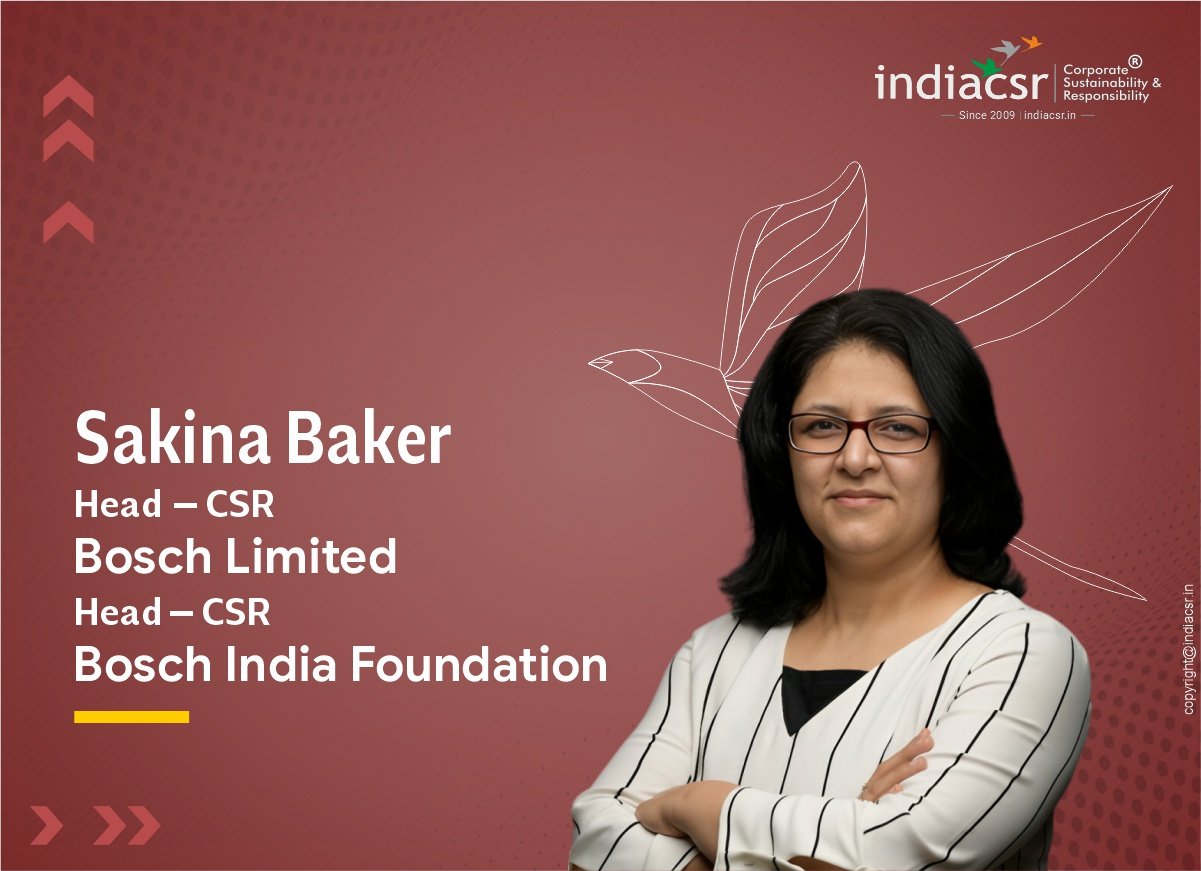
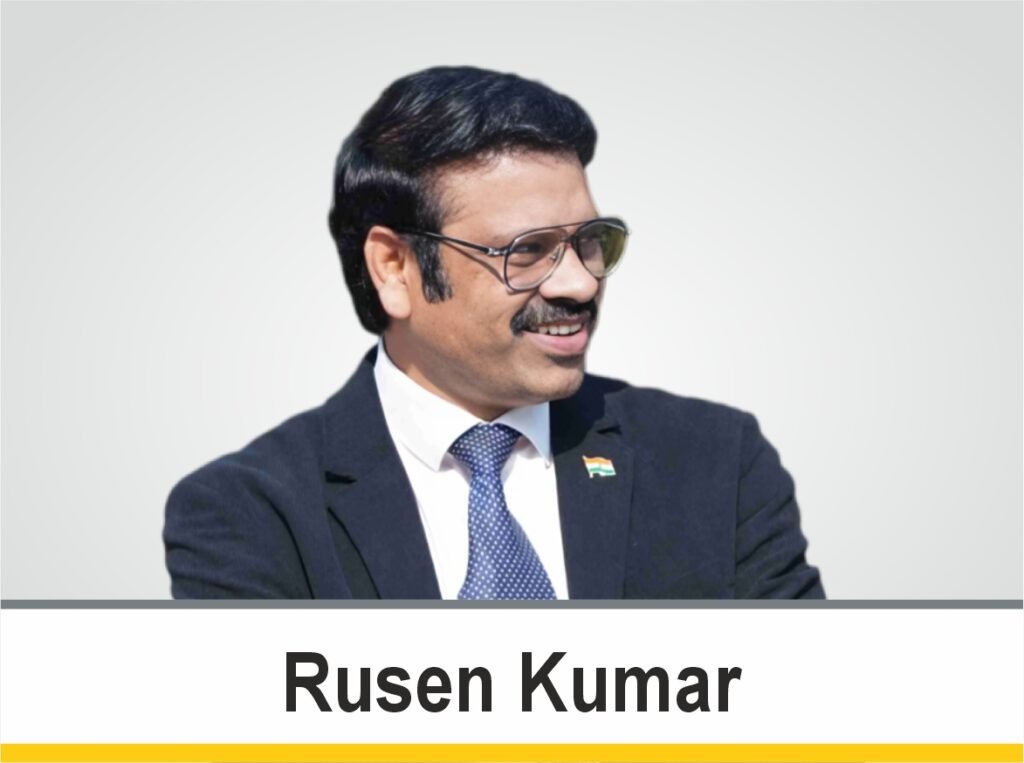
NEW DELHI (India CSR): In this exclusive interview, Rusen Kumar, Managing Editor & Founder of India CSR, engages in a thought-provoking conversation with Sakina Baker, Head – CSR, Bosch Limited, and Head – Bosch India Foundation, exploring Bosch India’s far-reaching commitment to social innovation, inclusive skilling, and sustainable development.
The dialogue delves into how strategic partnerships shape Bosch’s community engagement efforts, the transformative impact of its youth and women-focused skill development programs, and the evolution of its nationally acclaimed skilling legacy dating back to 1961. Sakina Baker also sheds light on the dynamism of the BRIDGE program, Bosch’s forward-looking approach to aligning training with industry needs, and the organization’s long-term roadmap for deepening social impact across mobility, sustainability, and community development.
Through this conversation, readers gain insights into how Bosch India and Bosch India Foundation continue to blend innovation, technology, and inclusion to build a future-ready India—strengthening livelihoods, enabling social equity, and advancing nation-building with purpose and vision.
1. How do partnerships drive Bosch’s social engagement and innovation in India?
At Bosch India, partnerships are at the core our social engagement efforts, acting as a force multiplier for scale, expertise, and sustainable impact. Bosch collaborates with government institutions, academia, NGOs, industry bodies, community groups, and its own associates to design solutions that are future-ready, socially inclusive, and technology-enabled. These partnerships help identify real on-ground needs, co-create relevant interventions, and align programs with national priorities such as skill development, sustainable mobility, and community development.
Collaboration with government agencies ensure that Bosch’s skilling and social programs complement public systems and maintain quality standards. Partnerships with NGOs enable strong grassroots reach and community trust. Working with educational and technical institutions helps build talent pipelines and foster innovation, while collaboration with startups and research bodies accelerates progress in areas like sustainable mobility.
Feedback from stakeholders and beneficiaries guide continuous program improvement, while Bosch employees contribute expertise through volunteering and mentorship. Together, these internal and external partnerships enable Bosch to co-create scalable impact, strengthen innovation ecosystems, and translate its ethos of “Invented for Life” into meaningful social change.
2. What are the key impacts of Bosch India CSR and Bosch India Foundation’s skill development initiatives for youth and women?
We, at Bosch realize, that the skill development efforts in India must combine inclusion, innovation, and economic relevance to build a globally competitive workforce and a socially resilient nation. Bosch India and its philanthropic arm Bosch India Foundation’s skill development initiatives for youth are designed to build sustainable livelihoods, strengthen employability, and foster economic independence, especially among marginalized groups. The impact is visible through enhanced employability, hands-on technical capability, and improved access to dignified work for underserved youth and women.
Our programs build industry-aligned skills in areas such as automotive, electrical, plumbing, carpentry, and home appliance servicing, while also emphasizing soft skills, communication, digital literacy, and workplace readiness. Programs like BRIDGE (Bosch’s Response to India’s Development and Growth through Employability Enhancement) enable school and college dropouts to secure entry-level jobs and inspire aspirations for higher learning. Many trained youth transition into self-employment, gaining financial independence and stability.
A strong focus on inclusion ensures equitable participation of women, people with disabilities, and LGBTQIA+ community members. Modern training labs, blended learning, and technology-enabled assessments ensure quality and contemporary learning experiences. By elevating vocational education and breaking the stigma associated with it, Bosch empowers communities and nurtures a future-ready workforce aligned with India’s economic needs.
3. The “Empowering Youth through Skill Development” journey has been a significant part of Bosch’s commitment to nation-building. How has this initiative evolved over the years, and what differentiates Bosch’s approach to skilling in India?
Bosch’s skilling journey began in 1961 with the establishment of the Bosch Vocational Center (BVC), which has since trained over 5,000 apprentices and earned national recognition 54 times as India’s ‘Best Establishment’ for vocational training by multiple Presidents of India, a distinction that makes it the most awarded technical training centre in the country. 245 out of these 5000 apprentices have gone on to win gold medals at the All-India Competition for Apprentices conducted annually by the Government of India. The center has been fortunate to host dignitaries, including the Hon’ble Prime Minister of India, Mr. Narendra Modi, the former German federal Chancellor Dr. Angela Merkel, former federal President of Germany, Mr. Joachin Guack, the former President of India, Late Dr. A. P. J. Abdul Kalam, and many other leaders from industry, academia and government.
BVC’s longstanding expertise laid the foundation for skilling to become a major CSR focus area eventually. Since 2013, Bosch India and Bosch India Foundation have expanded this legacy through programs like BRIDGE and Technical Skills Training. Gradually programs for Automotive, Caregiver were added along with specialized programs for women, people with disabilities, and LGBTQIA+ youth. Bosch has also adopted the Prime Minister’s Internship Program to further expand industry-relevant training opportunities.
Over the past decade, Bosch India Foundation has trained more than 120,000 youth, emphasizing quality, depth, and employability through strong placement and long-term career pathways. Deep partnerships with ITIs, government bodies, academia, NGOs, and employers have reinforced systemic impact.
What differentiates Bosch’s approach is its blend of industry expertise, technology-driven learning, future-skills focus, and commitment to inclusive growth. Bosch’s skilling model has evolved from traditional vocational training to a holistic, ecosystem-based, and innovation-led approach aligned with India’s rapidly transforming job landscape.
4. The BRIDGE program has been instrumental in enhancing employability for underprivileged youth. How does Bosch ensure that the program remains relevant to the changing needs of industries and the job market?
BRIDGE stays future-ready through continuous curriculum updates, capacity building of trainers, structured employer engagement, and strong feedback loops from trainers, alumni, and industry. Bosch conducts regular consultations with employers, government partners, and training partners across 441 districts, in 24 states and 4 Union territories, to understand emerging job roles and evolving skill requirements.
Our active partnerships with employers in sectors like retail, logistics, manufacturing, and services help shape training modules and ensure alignment with recruitment needs. Basis insights from hiring managers, trainings are periodically upgraded to include digital literacy, customer service excellence, workplace communication coupled with behavioural skills and financial literacy.
Employers participate in mock interviews, guest lectures, and practical sessions, strengthening real-world exposure. Bosch also integrates blended learning, digital content, and technology-enabled assessments to increase accessibility and contemporary relevance, especially for youth from underserved geographies.
Through life-skills training, confidence-building, and workplace orientation, BRIDGE prepares youth not just for jobs, but for long-term career progression. The program remains agile, employer-linked, and focused on building adaptable, job-ready talent for the opportunities of today and the workplace of tomorrow.
5. Looking ahead, what are Bosch India’s future goals and strategic priorities in continuing to drive social innovation, skill development, and sustainability efforts across the country?
Bosch India’s CSR is shaped by a dual approach, driving large-scale national transformation while enabling grassroots development. Nationally, Bosch will continue investing in future-ready skilling across automotive repair, green mobility, and essential trades, with a strong focus on women, youth with disabilities, and LGBTQIA+ community members. Industry-integrated models, digital platforms, and strong employer networks will help expand access to dignified livelihoods.
Bosch is also expanding its role in sustainable mobility by supporting women EV drivers, investing in future mobility research, collaborating with academic institutions to shape India’s clean-transport transition and strengthening its focus on road safety awareness. At the grassroots level, Bosch will continue advancing integrated community development, with a strong focus on water conservation, climate resilience, education enhancement, healthcare access, and women empowerment.
The long-term roadmap focuses on expanding digital skilling, co-creating solutions with academia and industry, and deepening community transformation through data-backed and participatory models. We will build on our work in sustainable mobility by advancing research, co-creating innovative solutions with academic and technology partners, and strengthening the capabilities of informal workforce segments engaged in India’s mobility ecosystem.
As an organization, Bosch remains committed to dignity, equity, and sustainability as it contributes to an inclusive and future-ready India.
6. What more is Bosch India Foundation driving in the CSR space?
Bosch India Foundation acts as the execution backbone and social innovation engine of Bosch’s CSR strategy. It develops, implements, and scales models in skilling and community development that are replicable, technology-enabled, and future-oriented.
Operating for over 17 years at the grassroots, the Foundation builds trust with communities and institutions, ensuring interventions are community-owned and sustainable. We strengthen capacities through training of trainers, building community institutions, creating market linkages, and supporting entrepreneurship.
By bridging corporate expertise with social needs, the Foundation brings Bosch’s technical knowledge, digital capabilities, manufacturing excellence, and employee volunteering to underserved communities and future talent pools. We are also deepening work in green skilling, mobility-linked livelihoods, afforestation, water conservation, healthcare access, and education enhancement.
Bosch India Foundation ensures that Bosch’s CSR is not just a mandate, but a mission, grounded in empathy, powered by innovation, and sustained through community partnership and future-focused thinking.
Increasingly, the Foundation is becoming a collaboration platform, bringing together Bosch group companies, industry, academia, government, and NGOs to co-create high-impact solutions. With its focus on dignity of work, inclusion, and sustainability, the Foundation aims to drive long-term socio-economic transformation across India.
About Rusen Kumar
Rusen Kumar is a distinguished journalist, author, and visionary knowledge entrepreneur specializing in Corporate Social Responsibility (CSR) and sustainability in India. He is the founder and managing editor of India CSR Network, a leading platform dedicated to CSR and sustainability issues.
(Copyright@IndiaCSR)
Showcase your CSR achievements and share your insights with India’s leading CSR platform.
Contact us at biz@indiacsr.in to feature your success stories and interviews.