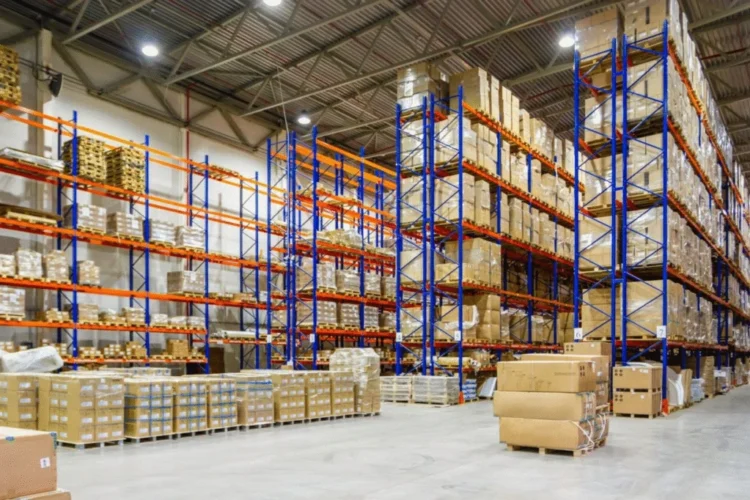


Investing in the right warehouse pallet shelving system is essential for improving storage efficiency and managing costs. As warehouse operations become more complex, businesses must balance upfront costs with long-term benefits. Whether you’re scaling operations or reorganising space, your choice of shelving directly affects storage density, inventory accessibility, and operational speed. From selective racks to mobile systems, each solution comes with different cost implications and advantages. This guide explores how to evaluate the cost vs. benefit of pallet shelving and select the ideal system that delivers value and performance for your warehouse setup.
Understand the Basics of Pallet Shelving Systems
A warehouse pallet shelving system is a storage structure designed to hold goods stacked on pallets. These systems are ideal for bulk inventory and allow vertical stacking, which helps maximise space. They are commonly used in logistics, manufacturing, and e-commerce warehouses where large volumes of goods are stored and moved frequently.
There are various types of warehouse pallet racking systems, including selective, push-back, drive-in, and mobile racking. Each offers different levels of access, load capacity, and space-saving benefits. Choosing the right one depends on product turnover, warehouse size, and handling equipment.
Cost Factors to Consider
The cost of installing pallet shelving includes more than just the purchase price. Here are key cost components:
- Initial investment: Includes materials, installation labour, and safety accessories.
- Floor space requirements: Systems with wider aisles reduce available storage space.
- Equipment: Some systems may require forklifts or reach trucks.
- Maintenance and safety checks: Racks must be inspected and maintained regularly.
- Adaptability: If your inventory changes often, some systems may become less suitable over time.
For example, selective pallet racks may be less costly initially but might not offer the best space efficiency in a high-volume operation.
Benefits of Pallet Shelving Systems
Despite the costs, pallet shelving systems offer numerous advantages that help businesses recover their investment over time.
- Increased storage density: Utilising vertical space helps reduce warehouse footprint.
- Improved order fulfilment: Fast access to pallets speeds up picking and dispatch.
- Better organisation: Systematic placement of SKUs improves workflow.
- Inventory visibility: Selective racks provide complete visibility and access to each pallet.
- Durability: Most pallet shelving systems are made of high-gauge steel and last for years.
Well-planned racking can delay the need for warehouse expansion and reduce reliance on off-site storage, saving both money and time.
Compare System Types for Cost Efficiency
Let’s evaluate how different warehouse pallet racking system types stack up in terms of cost and efficiency:
Selective Pallet Racking
- Lower cost, widely used
- Direct access to every pallet
- Ideal for high-turnover goods
- Easy to install and expand
- Takes up more aisle space
Drive-In Racking
- High storage density
- Lower selectivity, slower access
- Better suited for uniform products
- Requires careful forklift operation
- Suitable for cold storage or seasonal stock
Push-Back Racking
- Space-efficient and semi-automated
- Stores multiple pallets in a single lane
- Operates on LIFO (Last In, First Out)
- Great for limited SKUs and high-density storage
Mobile Pallet Racking
- Maximises floor space by eliminating static aisles
- Higher initial cost
- Mechanised movement on rails
- Suitable for temperature-controlled environments
- Ideal where real estate is expensive
Choosing between these depends on your specific operational goals. If your focus is on quick movement and high accessibility, selective systems are better. If space optimisation is more important, mobile or drive-in options offer a more substantial return on investment.
Evaluate Load Type and Turnover Rate
Inventory type plays a key role in deciding the best shelving system:
- High-turnover goods benefit from selective pallet racks.
- Low-turnover or seasonal items can be stored using drive-in or push-back systems.
- Heavy goods or irregular sizes may require specialised setups like cantilever racking.
If the weight and size of your stock vary, opt for adjustable systems that offer flexibility in shelf height and configuration.
Think Long-Term with Scalability
Pallet shelving systems should grow with your business. Choose a system that:
- Can be expanded without major structural changes
- Is compatible with your existing forklifts and handling equipment
- Supports future automation or integration with warehouse management systems
Leading companies offer scalable systems that can be configured for future upgrades, including automation support, improved safety features, and better integration with picking technologies.
Assess Operational Efficiency and Labour
The right racking system reduces handling time and labour effort:
- Narrow-aisle systems can reduce walking time and increase pick speed.
- Clear labelling and categorisation reduce search time.
- Integrated safety features minimise the risk of product damage or worker injury.
By streamlining movement, you save on labour costs and increase throughput without hiring more staff.
Safety and Compliance
Ensuring compliance with safety standards protects your investment and your team:
- Load beams must be properly labelled and rated.
- Racks should be inspected regularly for damage.
- Fire safety clearances must be maintained, especially with high-density systems.
Providers like Godrej Enterprises Group manufacture warehouse racking systems with integrated safety features, such as mesh cladding, pallet back stoppers, lockable beams, and structural designs that comply with industry safety standards, to protect goods and personnel.
Conclusion
Making the right decision about warehouse pallet shelving involves more than just cost comparisons. It’s about understanding your current operations, future growth, and how to maximise efficiency within your space. A well-designed warehouse pallet racking system not only saves space but also improves safety and reduces long-term storage costs. With scalable, adaptable options available, investing in the right solution today ensures your warehouse is ready for tomorrow’s challenges.